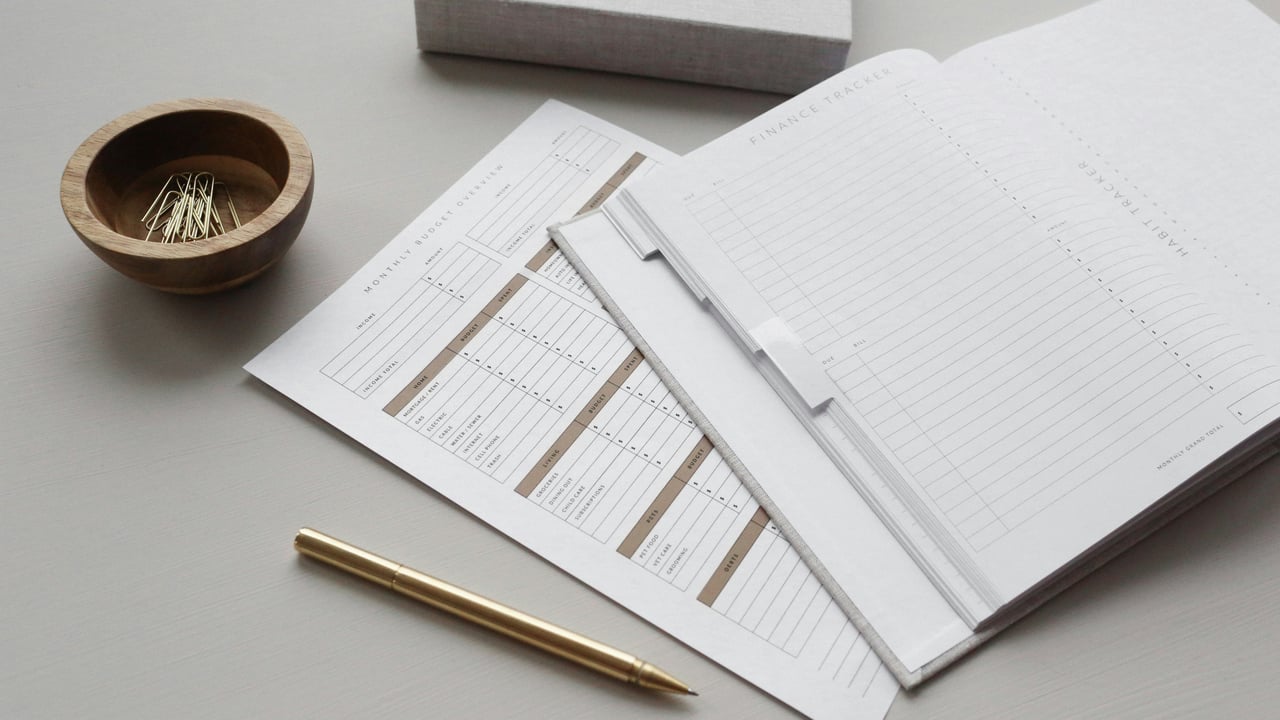
One of the most important questions to consider when buying a home is determining how much you can realistically afford. Purchasing a home is a significant financial commitment, and understanding your budget is essential to making a smart and sustainable decision. Here’s a comprehensive guide to help you assess how much you can afford to spend on a home.
1. Evaluate Your Income
The first step is to assess your household income. Consider all sources of income, including salaries, bonuses, commissions, and any other steady sources of revenue. Calculate your gross monthly income, which is your income before taxes and deductions.
2. Determine Your Debt-to-Income Ratio (DTI)
Your debt-to-income ratio is a crucial factor in determining how much you can afford to spend on a home. Lenders use this ratio to evaluate your ability to manage monthly payments. To calculate your DTI, add up all your monthly debt payments (such as credit cards, student loans, car loans, and other debts) and divide this total by your gross monthly income.
A lower DTI ratio (typically below 36%) is generally preferred by lenders when approving a mortgage.
3. Consider Your Down Payment
Decide how much you can afford to put down as a down payment. A larger down payment will lower your monthly mortgage payments and can also affect the interest rate you qualify for. A common down payment amount is 20% of the home’s purchase price, but there are loan programs available that require lower down payments.
4. Factor in Other Costs
Owning a home involves additional costs beyond the mortgage payment. Be sure to budget for property taxes, homeowners insurance, utilities, maintenance, and possibly homeowners association (HOA) fees. These expenses can vary depending on the location and size of the property.
5. Use a Mortgage Affordability Calculator
Utilize online mortgage affordability calculators to estimate how much you can afford to spend on a home. These tools take into account your income, debts, down payment amount, interest rate, and other factors to provide an estimate of the maximum mortgage amount you qualify for.
6. Consider Your Lifestyle and Future Plans
Think about your lifestyle, career, and future plans when determining your homebuying budget. Consider potential life changes, such as starting a family, changing jobs, or going back to school. Factor in how your housing costs will fit into your overall financial goals and priorities.
7. Get Pre-Approved for a Mortgage
Before you start house hunting, it’s beneficial to get pre-approved for a mortgage from a lender. Mortgage pre-approval involves submitting financial documents to a lender who will assess your creditworthiness and provide a conditional commitment for a loan amount. This process will give you a clear understanding of your budget and strengthen your position as a serious buyer.
Conclusion
Determining how much you can afford to spend on a home requires careful consideration of your financial situation, income, debts, down payment, and lifestyle. By assessing these factors and using tools like mortgage affordability calculators, you can make an informed decision that aligns with your financial goals and ensures a stable homeownership experience. Remember, it’s essential to stay within a budget that allows you to comfortably manage your mortgage payments and other associated costs while maintaining financial security and flexibility.
If you have specific questions about your homebuying budget or need personalized guidance, consult with a trusted financial advisor or mortgage lender who can provide tailored advice based on your individual circumstances.