Dreaming of waking up steps from the sand in Ocean Park but not sure if a condo or a house fits you best? You are not alone. Buyers love this walkable beach enclave in San Juan, yet choices feel high stakes because inventory is tight and costs vary with coastal risks. In this guide, you will get a clear, side‑by‑side look at lifestyle, maintenance, insurance, rental rules and financing so you can buy with confidence. Let’s dive in.
Ocean Park at a glance
Ocean Park sits on San Juan’s Atlantic shoreline between Condado and Isla Verde. It is a compact, mostly low‑rise beach neighborhood known for relaxed living, active water sports, and easy access to cafes along McLeary Avenue and Loíza Street. The area offers true beach proximity inside the city with quick access to the airport and Old San Juan.
Because the neighborhood footprint is small and largely built out, inventory is limited. That can make prices feel volatile as a few sales can swing median numbers. National listing portals often place Ocean Park among San Juan’s higher‑priced areas, but you should always verify current values with a local MLS pull.
Condo vs house: lifestyle fit
Choosing between a condo and a single‑family house in Ocean Park comes down to how you want to live day to day.
Why a condo may fit you
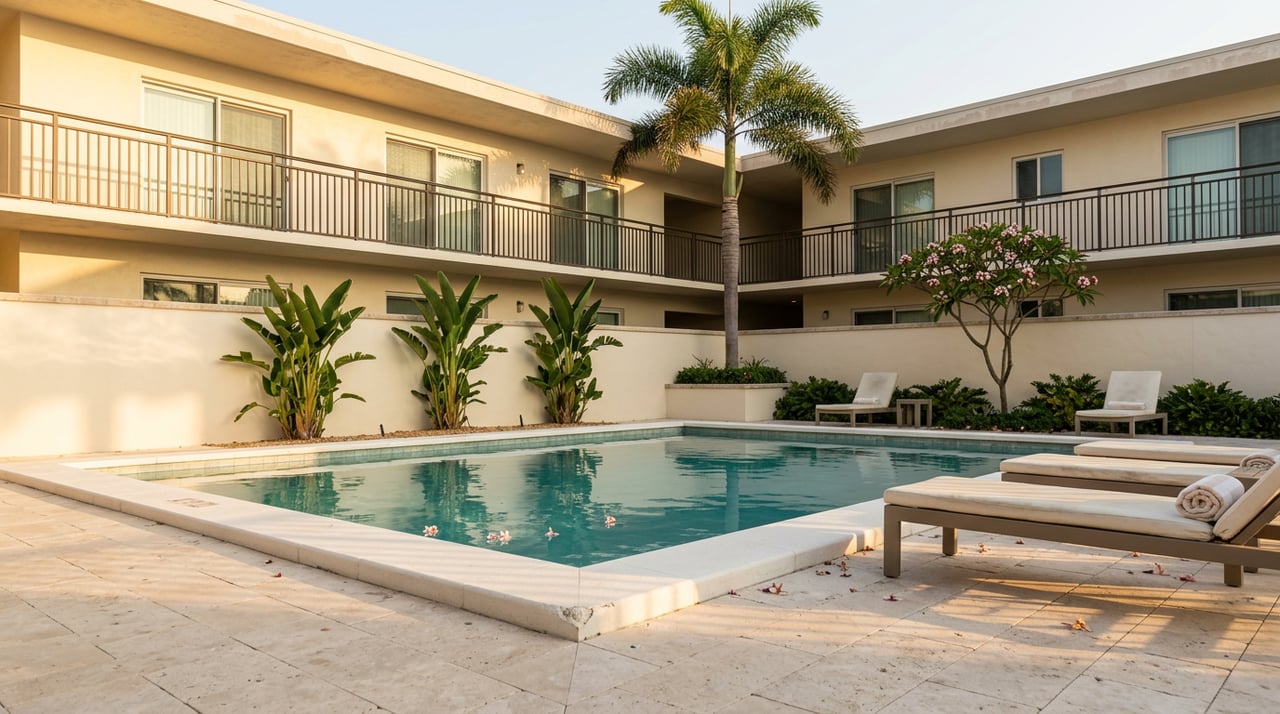
- Lower upkeep. HOA dues typically cover exterior upkeep and common areas, sometimes including building insurance, pool, and grounds. Puerto Rico’s Condominium Law defines duties for boards and owners, and recent updates focus on transparency and emergency planning. Review the building’s budget, reserve study, and master insurance before you commit. See the statute for context in the Puerto Rico Condominium Law (Ley 129‑2020).
- Convenience. You often get amenities and a lock‑and‑leave setup that works for second homes or busy professionals.
- Predictable routine. Shared maintenance can reduce surprise repairs, which is attractive in a coastal climate.
Why a house may fit you
- Privacy and outdoor space. A house often provides a yard, off‑street parking, and room for a pool or patio. That is valuable if you want space for pets, gardening, or outdoor dining.
- Control. You manage your own property decisions without a condo board. You can harden the home for storms, add a generator, or landscape as you like.
- Tradeoffs. Expect higher and more variable maintenance in a beach zone due to salt‑air corrosion and roof, fence, and exterior wear.
Your true cost of ownership
Beyond the purchase price, compare these line items so you see the full picture.
If you buy a condo
- Monthly HOA dues and what they include (master insurance, security, amenities, utilities for common areas).
- Special assessments history and any planned capital projects.
- Reserves and budgets. Ask for the past 2 to 3 annual budgets and the most recent reserve study. Review the master insurance policy limits and deductibles. Puerto Rico’s condo law clarifies owner and board obligations, and agencies have added emergency‑planning reporting. You can see one example of current requirements in a DACO order on condo emergency contact information.
If you buy a house
- Annual maintenance. Budget for roof upkeep, exterior paint, fence repairs, gate motors, landscaping, and termite control.
- Resiliency upgrades. Plan for hurricane shutters or impact glazing, a whole‑home generator, and a water cistern.
- Insurance. Expect separate line items for wind/hurricane coverage and, if required, flood insurance.
Coastal risk, insurance and what to check
Ocean Park’s beachfront location is a lifestyle perk, but it comes with coastal exposure.
- Flood and coastal hazards. Parts of San Juan’s coast, including sectors near Ocean Park, appear in municipal hazard assessments for flood and wave action. Review local planning documents, then confirm the exact FEMA flood zone and base flood elevation for any property you are considering at the FEMA Flood Map Service Center. For context on municipal hazard identification, see San Juan’s mitigation plan hosted on Scribd.
- Flood insurance. After Hurricane Maria, many Puerto Rico properties lacked NFIP policies. If the home is in a Special Flood Hazard Area and you use a mortgage, your lender will likely require flood coverage. Learn why uptake has been historically low in this Axios overview on NFIP after Maria.
- Wind and hurricane. Verify roof ties, shutters or impact windows, and backup power and water. Listings in the area often highlight generators and cisterns because resilience matters in a beach market.
- Condo insurance specifics. Review the condominium’s master policy and your required HO‑6 coverage. Puerto Rico’s condo law offers a framework for insurance and governance, so request those documents early. Reference the Condominium Law text when you review obligations.
Tip: Ask for actual insurance quotes during due diligence, not estimates. Premiums can significantly change your monthly budget, especially for single‑family homes near the water.
Renting your property: rules and returns
Both condos and houses in Ocean Park can work for rental income, but only when the setup and rules align with your plan.
- Short‑term rentals. Puerto Rico regulates tourist lodging and short‑term rentals. Operators must register, obtain the required identification or host number, and collect and remit the lodging tax. Start with an overview of obligations in this discussion of the Puerto Rico hospedería regulation and STR rules. The occupancy tax law is codified in Law 272‑2003.
- Condo bylaws control. Many buildings restrict or prohibit STRs. Treat the recorded declaration and bylaws as controlling unless a court has ruled otherwise. For context on how disputes play out, see representative case law summaries on VLEX.
- Long‑term rentals. Houses often attract multi‑year tenants who value outdoor space. Condos can work well for professionals or mid‑term corporate leases. Confirm local demand and achievable rents with live listings and a property manager.
Bottom line: If rental income is part of your strategy, verify condo permissions in writing, confirm municipal use permits, complete your tourism registration and plan for occupancy tax compliance. Otherwise, your listing could be blocked or fined.
Financing and taxes in Puerto Rico
- Mortgages. FHA and VA loans apply in Puerto Rico when eligibility rules are met, including property and flood‑insurance requirements. Local banks and credit unions are active, and underwriting can differ for non‑resident buyers. If you plan to finance, prequalify with a Puerto Rico lender and review federal program rules. For a program reference, see this FHA/VA overview document.
- Property taxes. Municipal property taxes are administered by CRIM. During due diligence, obtain a current tax certification and check for any unpaid levies. Learn about payments and deadlines from CRIM’s information portal.
- Incentives. Some buyers evaluate Puerto Rico’s Incentives Code (Act 60). If incentives or residency are part of your plan, consult a qualified tax advisor before you buy. Do not base a purchase on potential tax savings without a confirmed decree.
Who should pick a condo
A condo can be the smarter buy if you want a low‑maintenance beach home, lock‑and‑leave convenience, and amenities. Focus on well‑run buildings with clear budgets, adequate reserves, and strong resiliency features like a generator and cistern. Confirm that the condo’s rules allow your intended use, whether full‑time living or occasional rentals.
Who should pick a house
Choose a house if you value privacy, outdoor living, and long‑term control over your property. Budget for higher maintenance and coastal wear, then invest in storm‑hardening. Before you make an offer, verify the elevation, FEMA flood zone, and realistic insurance premiums so your monthly costs stay on track.
Quick decision guide
Ask yourself these questions to narrow your choice fast:
- How much time and budget do you want to spend on maintenance each year?
- Do you need private outdoor space for pets, gardening, or a pool?
- Is short‑term or long‑term rental income part of your plan, and do the rules allow it?
- Are you comfortable with HOA dues and board rules, or do you want full control?
- How important are building amenities versus a private yard and parking?
Ocean Park due diligence checklist
Use this list to protect your investment regardless of property type:
- Title and taxes. Order a full title search and a current CRIM tax certificate. Confirm utilities are current.
- Hazards. Check the FEMA flood zone, request an elevation certificate if near the beach, and review municipal hazard maps. Use the FEMA Flood Map Service Center for an official lookup.
- Condition. Inspect roof, structure, electrical, plumbing, and termite exposure. In this climate, roof and exterior systems deserve extra attention.
- Insurance. Obtain quotes for wind/hurricane and flood insurance early. Review deductibles and any exclusions.
- Condo‑specific. Request the recorded declaration and bylaws, the last 2 to 3 annual meeting minutes, annual budgets, reserve study, recent insurance renewals, and any pending special assessments. Laws and agency actions require better transparency, including emergency contact reporting noted by DACO.
- Rental compliance. If you plan STR activity, confirm municipal use permits, tourism registration and host identification, and the duty to collect and remit occupancy tax. Start with the STR regulation overview and the occupancy tax law. Review condo permissions in writing and note that case outcomes can vary, as shown in Puerto Rico appellate summaries.
How Gigi Realty PR helps you decide
You deserve advice that blends lifestyle fit with solid numbers. At Gigi Realty PR, you get a broker‑led, analytical approach with neighborhood expertise in Ocean Park and nearby coastal areas. We model your total cost of ownership, request the right condo and insurance documents, and build a rental strategy that aligns with local rules. If you want a clear comparison for a few top options, we can prepare a side‑by‑side with CMA values, reserve strength, and estimated premiums so you can move forward with confidence.
Ready to find the right Ocean Park home? Connect with Gigi Sheppard to request your personalized market valuation and next steps.
FAQs
What makes Ocean Park different from Condado or Isla Verde?
- Ocean Park offers a lower‑rise, beach‑neighborhood feel with walkable access to sand and local cafes, while still close to city amenities and the airport.
How do HOA dues compare to house maintenance in Ocean Park?
- HOA dues can centralize building upkeep for condos, while houses require direct spending on roof, exterior, yard, and storm‑hardening that can vary year to year.
Do condos in Puerto Rico allow short‑term rentals?
- Some do, many do not. You must review the recorded declaration and bylaws, confirm building insurance allows STRs, and comply with tourism registration and tax rules.
Is flood insurance required for Ocean Park homes?
- If the property is in a FEMA Special Flood Hazard Area and you finance the purchase, your lender will likely require flood coverage. Always check the FEMA map for the address.
Can I use FHA or VA loans in Puerto Rico?
- Yes, FHA and VA loans can be used when program and property rules are met. Local lenders are active, so prequalify early to understand requirements.