If you picture a second home where mornings start with a bakery run and end with sunset over calm west‑coast water, Puerto Real belongs on your short list. This working fishing village in Cabo Rojo gives you a marina-first lifestyle, easy access to beaches and nature, and a quieter rhythm than the big resort towns. In this guide, you’ll learn how second-home living works in Puerto Real: the day-to-day feel, what you can buy, pricing context, boating perks, short-term rental basics, and the key logistics to plan with confidence. Let’s dive in.
Why Puerto Real works for second homes
Authentic village setting
Puerto Real is part of Cabo Rojo on Puerto Rico’s southwest coast, known for its traditional fishing roots and local markets. You get a true poblado feel and a strong connection to the water rather than a fully tourist-focused resort scene. For quick background on the municipality, see the overview of Cabo Rojo’s setting.
Close-to-everything coast
From Puerto Real you’re minutes to Boquerón, Joyuda, Buyé Beach and the salt flats at the Cabo Rojo National Wildlife Refuge. The area map helps visualize how these spots cluster on the west coast and why weekenders love the convenience of short drives to beaches and dining. Explore the Cabo Rojo municipal map for orientation.
Easy access to the west
Plan on a roughly 2 to 2.5 hour drive from San Juan, depending on route and traffic. If you fly in, regional airports in Mayagüez (MAZ) and Aguadilla (BQN) offer closer options, followed by a 30 to 75 minute drive. Check typical travel times between San Juan and Cabo Rojo as you map out your visits.
Day-to-day lifestyle
Marina-first living
Marina Puerto Real is the local hub. It offers fuel, provisioning, security and dockage, and it advertises U.S. port‑of‑entry services for visiting yachts. That operational character makes daily life simple if you own a boat or plan frequent charters. Learn more about services on the Marina Puerto Real site.
Food and social scene
Inside the village, you’ll find seafood-forward eateries, bakeries and small shops serving residents and boaters. Evenings tend to be low-key in Puerto Real. For a livelier night out, head a short drive to Boquerón for its boardwalk, bars and restaurants. Get a feel for the area via Boquerón’s town overview.
Nature on your doorstep
Birding at the Salinas boardwalks, hikes through the refuge, and the dramatic cliffs around Los Morrillos Lighthouse are all easy day trips. If you want nature plus boating without the big-crowd vibe, Puerto Real is a strong fit. See the refuge’s official hiking and visitor activities for details.
What you can buy in and near Puerto Real
Waterfront single-family homes with dock access
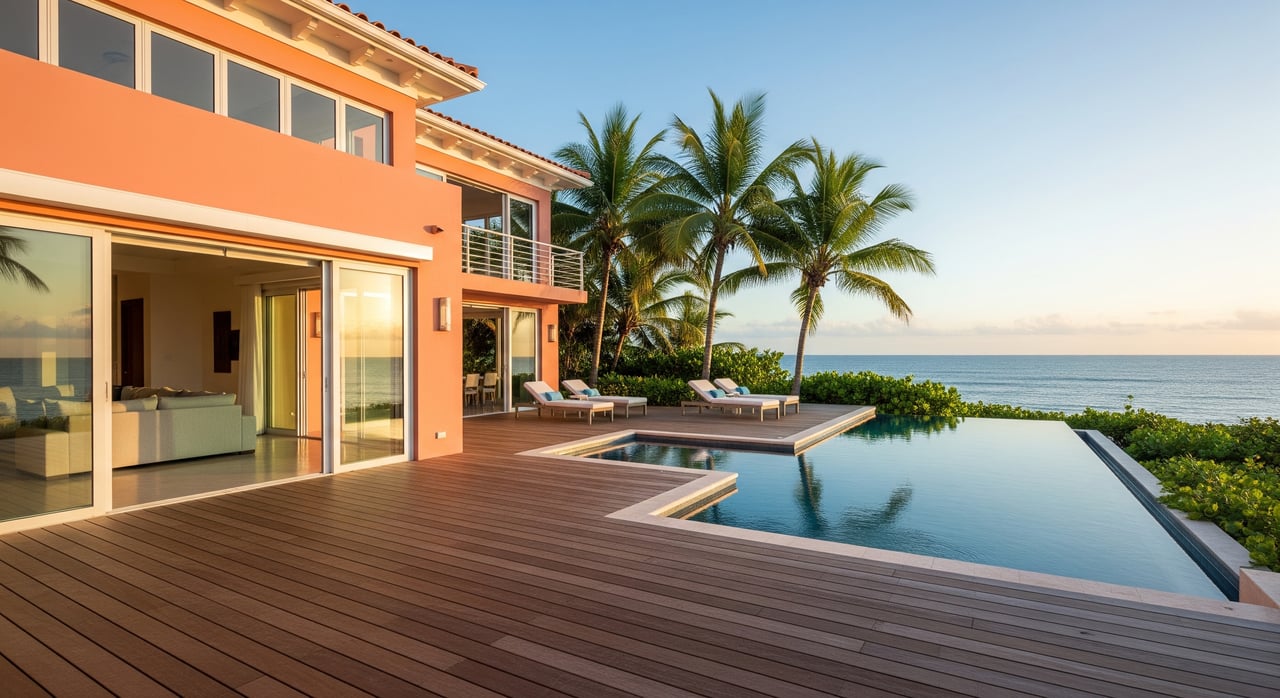
Around the bay you’ll see smaller and mid-size homes set on or near the water, sometimes with private docks, stepped piers, or kayak access. These properties deliver the most immediate connection to the marina-and-fishing lifestyle.
Condos and gated complexes
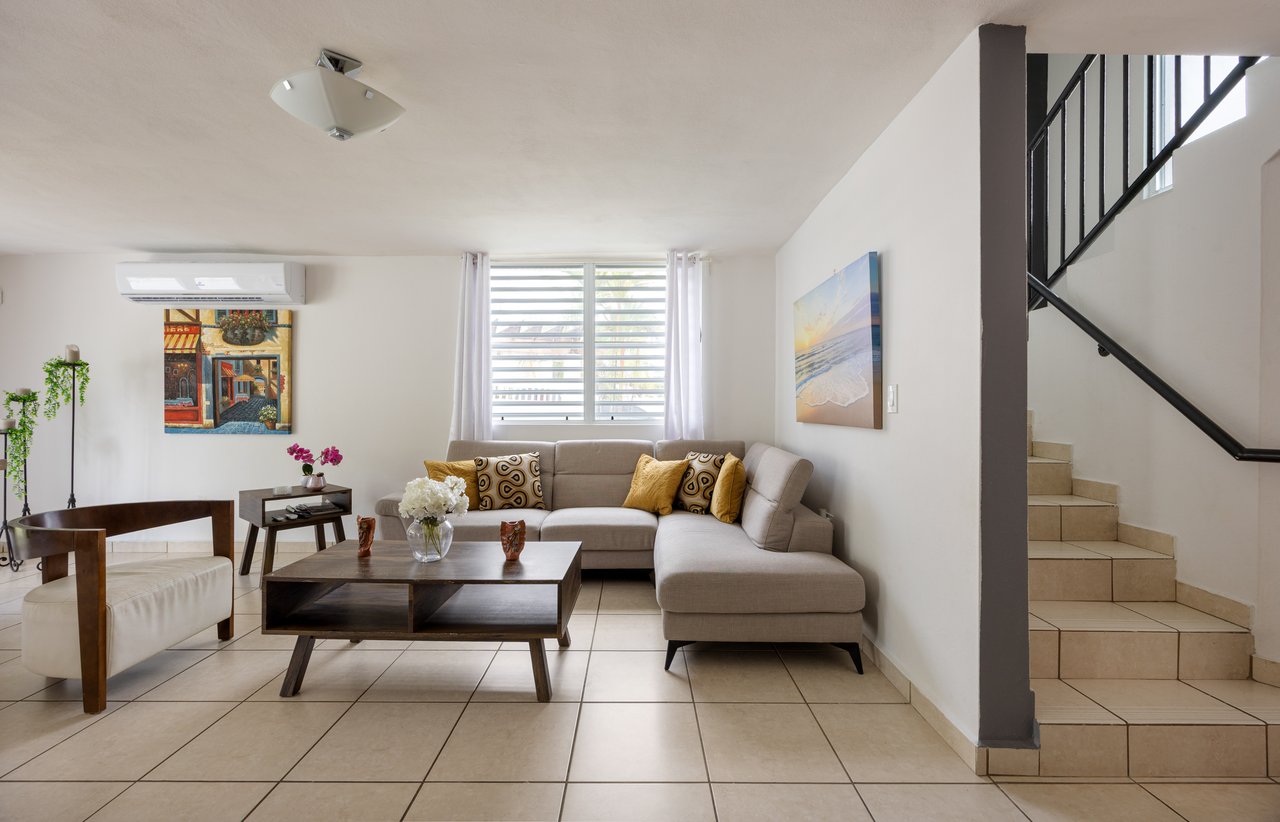
Across the Cabo Rojo corridor, many 2 to 3 bedroom condos offer shared pools, gated entries and practical backup systems such as cisterns and generator infrastructure. Those features matter for second homes, since you want plug-and-play reliability when you arrive for a long weekend.
Multi-unit or small investment properties
In nearby Boquerón and around the municipality, you’ll find multi-unit buildings and small guesthouses marketed for tourism income. If you plan short-term rentals, expect an extra layer of due diligence on licenses, taxes, and HOA rules. This path can work well for investor-owners who want diversified income streams and professional management.
Vacant lots and development parcels
If you prefer to build, you will find parcels with residential or mixed zoning. Always verify local zoning, coastal setbacks and FEMA flood maps for your specific site, then design to coastal code standards.
Price and availability snapshot
Public listings for the broader Cabo Rojo municipality show a median listing price near about 350,000 dollars as a general anchor point. That is a municipality-level figure rather than Puerto Real-specific and should be re-checked when you are ready to shop.
Representative ranges from recent public listing examples in the area include:
- Smaller or older condos often in the low to mid 100,000s up to about 220,000 dollars.
- Move-in ready, water-view or amenity condos commonly in the 250,000 to 380,000 dollar range.
- Multi-unit or prime water-adjacent assets can reach the high six figures and into the seven figures for standout locations.
Puerto Real itself is smaller and more village-like than the wider municipality, so expect fewer new condo towers and a larger share of single-family and older waterfront homes. For current days on market, comps and absorption trends, plan on a fresh CMA when you engage an agent team.
Boating from your second home
If boating is part of your plan, Puerto Real is built for it. The marina advertises slips, fuel and provisioning, and it serves as a port of entry. Some homes include private docks or moorings. Confirm the exact rights and logistics for any property, including marina slip availability, insurance for vessels, and any customs requirements if you expect international arrivals by sea. Start with the marina’s services and facilities.
Short-term rentals: the basics
Short-term rentals are permitted in some, but not all, condo communities and neighborhoods. Always review the HOA declarations and municipal rules before you buy for STR income.
- Room tax and filings. Puerto Rico requires collection and remittance of room and occupancy taxes. Platforms such as Airbnb and HomeAway collect and remit room tax in Puerto Rico under formal agreements, but owners remain responsible for proper registrations and filings. Review the legal summary on room tax collection by platforms, and confirm your steps with the Departamento de Hacienda or a tax professional.
- Local compliance. Municipalities may update licensing or safety requirements. Keep documentation and procedures up to date, especially if you run a structured hospitality program. See an example of legislative records that discuss municipal rulemaking in Puerto Rico here.
Ownership checklist for coastal homes
Use this quick list to plan your second-home operations with clarity:
- Hurricane planning. Review FEMA flood maps for the specific property, confirm elevation and coastal setbacks, and evaluate openings, roof condition and structural anchoring. Budget for shutters or rated glazing.
- Insurance readiness. Flood insurance uptake has historically been low on the island after Hurricane Maria, which matters for replacement cost planning and lender requirements. Learn why NFIP participation has been a challenge in this Axios reporting, then confirm insurability for your address and coverage limits with your insurer.
- Power and water continuity. For houses, plan a generator or hookup and a cistern or water storage. For condos, confirm the building-level generator, water systems and maintenance protocols.
- Property management. If you will not be on-island full time, hire a local manager for inspections, cleanings, hurricane prep and contractor oversight. If boating is part of your plan, secure marina or vendor support for maintenance.
- Banking, title and closing. Puerto Rico follows U.S. property law structures, but there are local practices around title searches, notarial closings and recordation. Work with a local real estate attorney and lenders who understand Puerto Rico collateral and insurance standards.
A weekend in Puerto Real: sample itinerary
- Morning: Coffee and a pastry from a local bakery, then a quick stop at the fish market. If you have a boat, check weather and slip conditions, fuel up at the marina and plan a day run.
- Midday: Cruise toward La Parguera or fish the west‑coast grounds, or head by car to the refuge for birding on the boardwalks and a photo stop at Los Morrillos Lighthouse.
- Afternoon: Beach time at Buyé or a quiet cove. Back at your place, rinse gear and relax on the terrace.
- Evening: Keep it low-key with seafood near the marina or drive to Boquerón for live music and a sunset stroll along the waterfront. For more local flavor, preview the scene on Cabo Rojo’s marina page.
Next steps
If Puerto Real fits your second-home goals, align your wish list with the on-the-ground realities. Define budget, boating needs, STR plans, and desired travel cadence. Schedule a field visit to compare waterfront homes and condo options, gather insurance quotes early, and map out a property management plan. If you are investing, request a data-backed CMA and a simple rental-yield model to pressure-test upside and risk.
When you are ready for expert help, connect with a boutique, tech-forward team that pairs rigorous analysis with concierge service. Start your plan with Gigi Sheppard for tailored guidance, comparables, and a smooth purchase experience.
FAQs
What is Puerto Real and where is it located?
- Puerto Real is a traditional fishing village on Puerto Real Bay in Cabo Rojo, on Puerto Rico’s southwest coast, known for a marina-first, low-key local vibe.
How far is Puerto Real from San Juan and nearby airports?
- Expect about 2 to 2.5 hours by car from San Juan, with closer regional options via Mayagüez (MAZ) and Aguadilla (BQN), then a 30 to 75 minute drive.
Can I keep a boat or get a slip in Puerto Real?
- Yes. Marina Puerto Real offers slips, fuel and provisioning, and it advertises U.S. port‑of‑entry services. Confirm specific slip availability and any private dock rights.
Are short-term rentals allowed in Puerto Real?
- Sometimes. Rules vary by community and HOA. You must follow local tax registration and room tax rules even if platforms collect taxes from guests.
What property types are most common for second homes?
- You will find waterfront single-family homes with dock potential, 2–3 bedroom condos with pools and backup systems, small multi-unit assets, and buildable parcels.
How much do second homes cost in Cabo Rojo?
- Municipality-wide listings commonly show a median around 350,000 dollars, with condos often ranging from the low 100,000s to about 380,000 dollars and larger assets higher.
What should I know about insurance near the water?
- Budget for wind and flood coverage, verify insurability before closing, and review FEMA flood maps and elevation for the specific property.