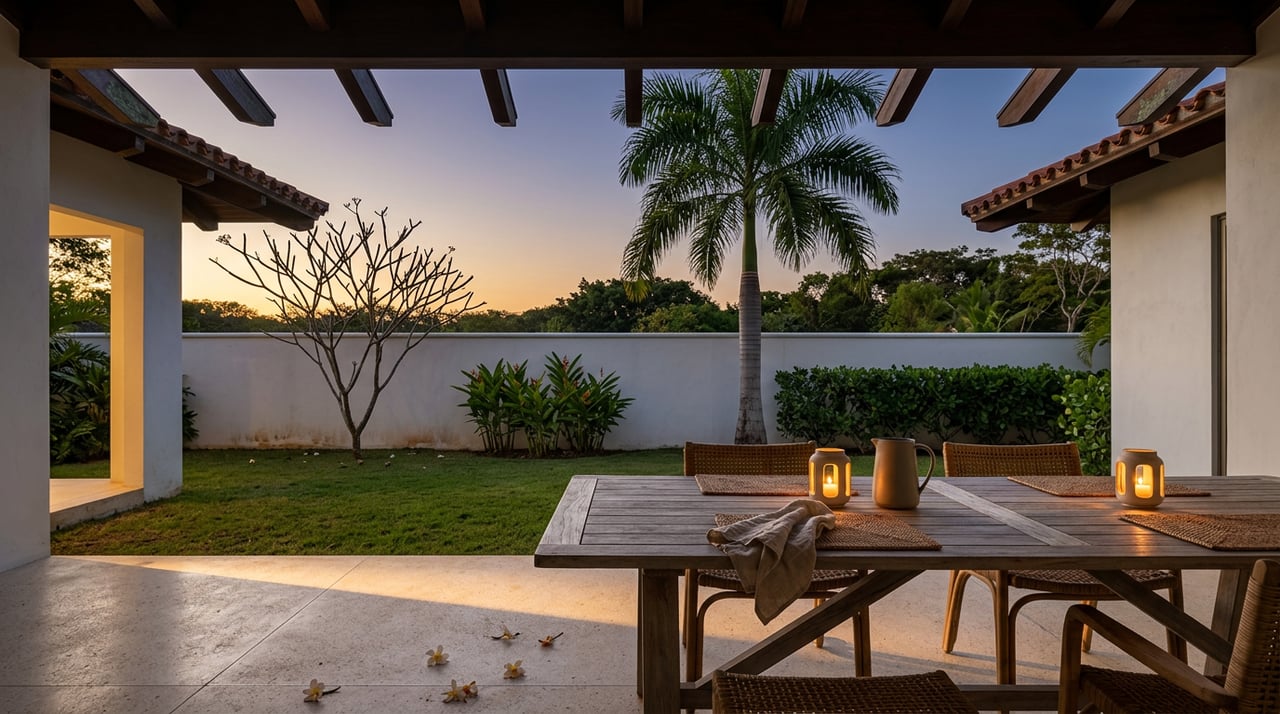
Your dream home is more than just a place to live; it’s a sanctuary, an investment, and a haven for your family. But have you ever wondered if your dream home is at risk of flooding? Understanding flood risk is essential, especially in a world where climate change is increasing the frequency and severity of extreme weather events. In this post, we will help you assess whether your dream home is at flood risk and provide tips on how to mitigate this risk.
1. Check FEMA Flood Maps:
The Federal Emergency Management Agency (FEMA) provides flood maps that show flood-prone areas in the United States. You can easily access these maps online or at your local FEMA office. By inputting your dream home’s address, you can determine if it’s located in a designated flood zone. Properties in high-risk flood zones, such as A or V zones, are more likely to experience flooding.
2. Evaluate Elevation:
The elevation of your dream home can significantly impact its flood risk. Homes built at a higher elevation are less likely to flood during heavy rain or storm surges. You can hire a surveyor to measure the elevation of your property or consult topographic maps to get a sense of the terrain.
3. Consult Local Authorities:
Reach out to local government agencies or your city’s planning department to inquire about flood risk in your area. They can provide valuable information on historical flooding incidents, flood control measures, and local building codes related to flood mitigation.
4. Consider Insurance:
Even if your dream home is not in a designated flood zone, it’s still wise to consider flood insurance. Flood damage is typically not covered by standard homeowners’ insurance policies. FEMA’s National Flood Insurance Program (NFIP) offers coverage in participating communities. You can also explore private flood insurance options for added protection.
5. Look for Warning Signs:
Evaluate your surroundings for warning signs of flood risk. Are there nearby bodies of water prone to overflowing, such as rivers, creeks, or lakes? Are your neighbors taking flood mitigation measures like elevated foundations or flood barriers? These can be indicators of potential flood issues.
6. Assess Drainage:
Pay attention to the drainage systems in your area. Poorly designed or clogged drainage systems can lead to localized flooding, even if your home is not in a designated flood zone. Check for standing water during heavy rains and consider whether your property is vulnerable to water accumulation.
Assessing flood risk for your dream home is a crucial step in ensuring its safety and longevity. By checking FEMA flood maps, evaluating elevation, consulting local authorities, considering insurance, looking for warning signs, and assessing drainage, you can make informed decisions about your home’s vulnerability to flooding. Remember that preparedness and mitigation measures can help protect your dream home and give you peace of mind in the face of unpredictable weather events.