Trying to choose between a condo and a house in Guaynabo? You are not alone. Buyers here often weigh commute time, HOA rules, maintenance, and storm readiness just as much as layout and finishes. The good news is there is a clear way to match your lifestyle and budget to the right property type. In this guide, you will compare costs, governance, privacy, amenities, commute factors, and resiliency features so you can make a confident choice. Let’s dive in.
How condo and house living differ in Guaynabo
Guaynabo sits within the San Juan metro area, so many residents drive to work, school, and services in neighboring municipalities. That means access to PR-20, PR-22, and PR-2 matters in day-to-day life. You will find a mix of gated subdivisions on the hills with single-family homes and townhomes, as well as low- to high-rise condominium buildings along denser corridors. Families often look for more private outdoor space in gated communities, while professionals and downsizers may prefer lower-maintenance condo living near shops and services.
Because Puerto Rico is exposed to hurricanes and intermittent utility outages, buyers here put extra weight on building resiliency. Backup generators, water cisterns, and association planning are common due diligence items for both condos and houses.
Costs and maintenance: what to expect
Condos: shared systems, recurring fees
In a condominium, your association typically covers exterior and common-area maintenance, elevators, security, landscaping, and building insurance for the structure. You cover your interior and pay a monthly association fee. In Puerto Rico, fees can be higher than some mainland markets because buildings often fund generators, elevator upkeep, comprehensive insurance, and reserves for hurricane-related repairs.
Your budget predictability depends on governance. A well-run association with solid reserves can keep fees steady. Older or underfunded buildings may rely on special assessments, which are one-time charges for big repairs. Before you make an offer, review association finances and recent board minutes to understand the building’s track record.
Key documents to request: current budget and financials, reserve study and balances, recent board minutes, master insurance policy details, recent or pending special assessments, and major vendor contracts like generator and elevator service.
Houses in gated communities: more control, more responsibility
In a single-family home, you are responsible for exterior and interior maintenance, including roof, driveway, fencing, landscaping, and any pool systems. Some gated communities also charge HOA fees for shared amenities such as gate security, common grounds, and private roads. These fees vary, so confirm exactly what they cover.
Month-to-month costs can be lower if you maintain proactively, but you should plan for occasional larger expenses like roof work or major system replacements. Ask for recent maintenance records and verify the condition of storm-critical systems such as generators and cisterns.
Key items to confirm: community HOA scope and fee, roof age and condition, drainage, any generator or solar setup, and the status of shared road or gate infrastructure.
Privacy, outdoor space, and lifestyle
Houses: space to spread out
Houses generally provide more private outdoor space with yards and the option to add gardens, pet areas, or a private pool. You also have more control over exterior modifications, subject to community rules. If you value privacy, entertaining outdoors, or space for pets, a single-family home in a gated community often fits well.
Condos: amenities and convenience
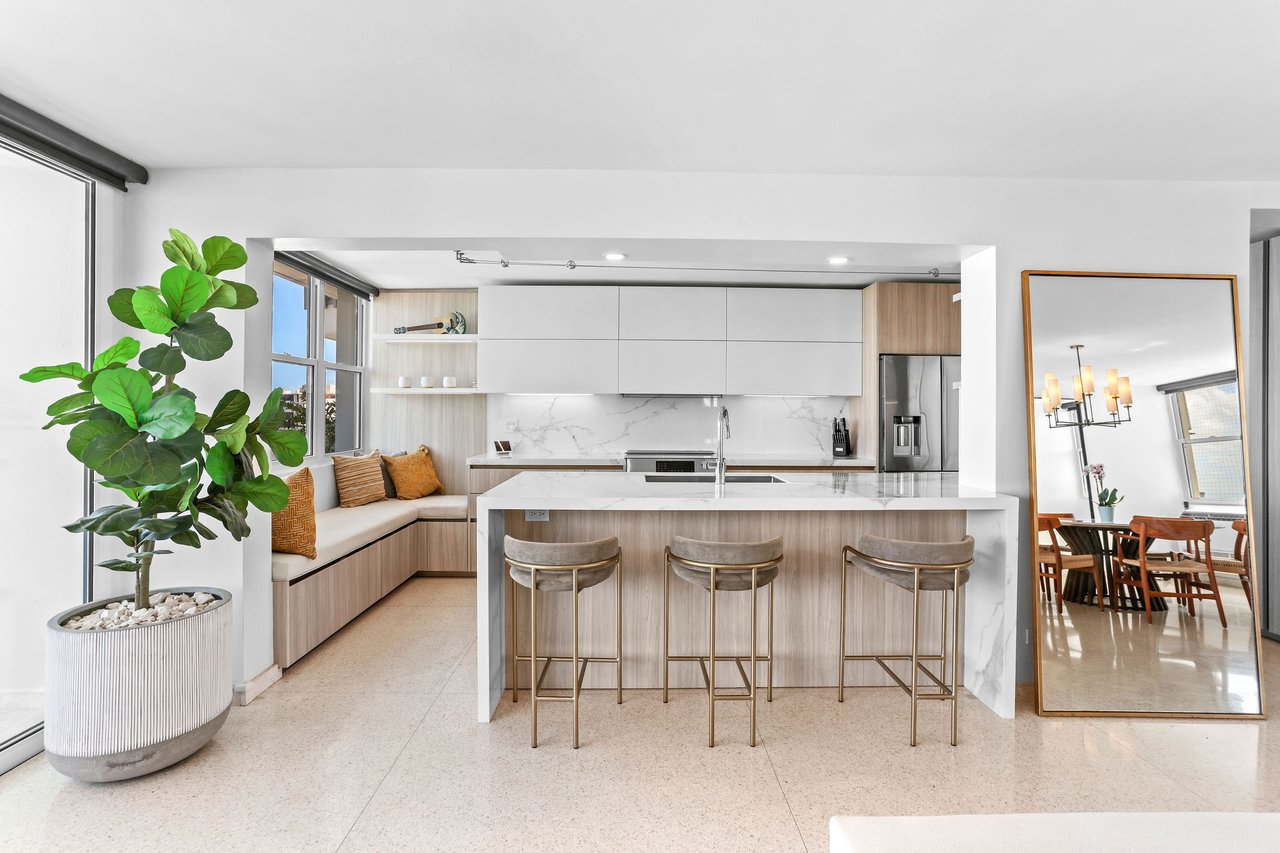
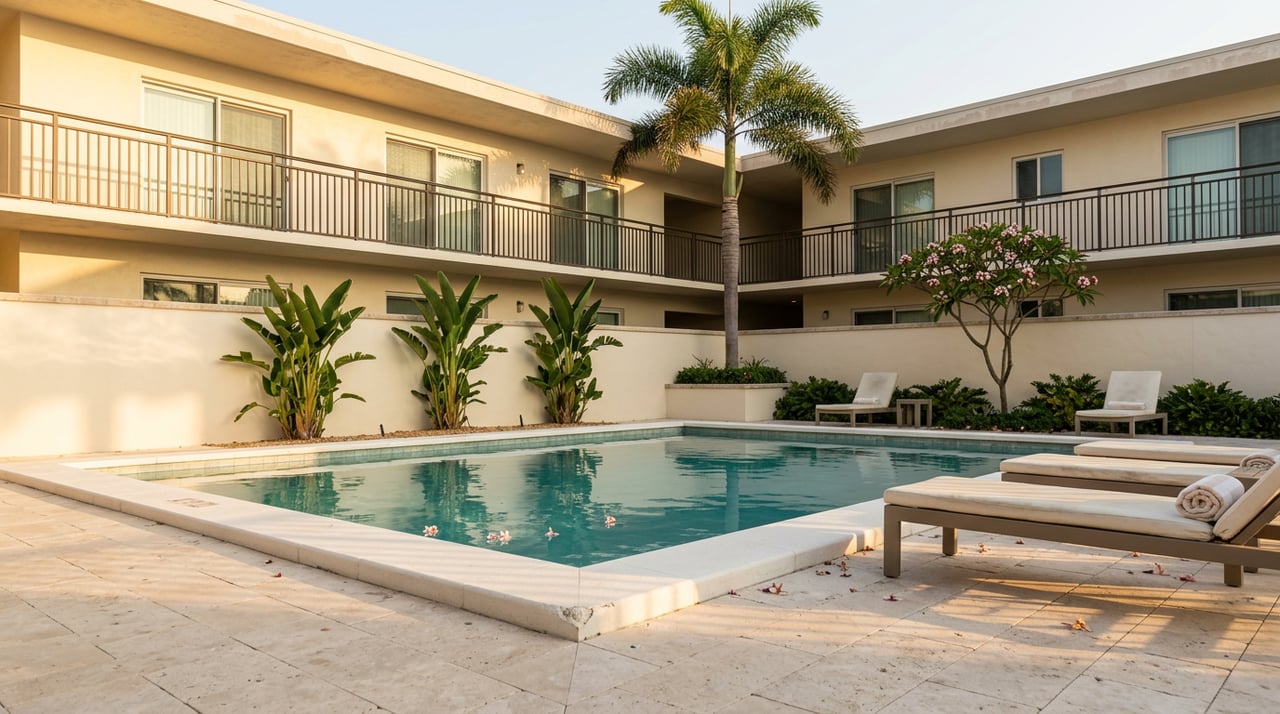
Condos trade private yard space for building amenities. You may gain a pool, gym, 24/7 security, or a concierge without the maintenance burden of a large lot. Some units include balconies or access to shared rooftops. Be sure to check rules on visitors, noise, and renovations so you know how daily life works in the building.
Commute and daily convenience
Guaynabo residents rely primarily on private vehicles. Living closer to major corridors like PR-20 or PR-22 can shorten drive times to San Juan’s employment centers, though traffic peaks during rush hours. Condo towers near commercial areas can put you within a short drive or walk of groceries and restaurants. Gated subdivisions on the hills may require a bit more driving for errands.
Parking is an important factor. In condos, confirm assigned spaces, whether spots are covered, and guest parking rules. In houses, verify driveway and garage capacity as well as any community parking restrictions.
Storm readiness and utilities: generators and water
Power distribution is operated by LUMA Energy, and water services are managed by the Puerto Rico Aqueduct and Sewer Authority (PRASA). Because storms and outages are part of local life, backup systems add real value in Guaynabo.
Condos: building-level systems
Mid- and high-rise buildings often have common-area generators designed to power elevators, pumps, emergency lighting, and sometimes more. Generator capacity, maintenance contracts, and testing routines are essential review items. Some condos also maintain cisterns or rooftop water tanks with booster pumps to stabilize water pressure during PRASA interruptions. Ask who pays for fuel during extended outages and how the building prioritizes loads.
Houses: individualized resiliency
Single-family homes commonly rely on whole-house generators or portable units, plus cisterns for supplemental water. Some gated communities power gate systems and critical common infrastructure only. Verify the generator’s age and fuel type, maintenance logs, and whether the property’s electrical system includes a transfer switch. For cisterns, confirm capacity, pump condition, and any water quality testing.
Practical checks for any property: generator capacity and age, maintenance records, transfer switch details, fuel responsibilities, cistern capacity and pump service history, roof condition, and any recent humidity or mold remediation.
Insurance, hazards, and financing
Wind, hurricane, and flood exposure influence premium costs and mortgage requirements. FEMA flood zone status and elevation can affect both insurability and lender conditions, so it is worth checking the map for any specific address. In condos, the building usually carries a master policy for the structure, and you carry an HO-6 policy for interiors and contents. Understand how hurricane deductibles are structured because some associations pass portions of major deductibles to owners.
Lenders scrutinize condo projects for eligibility. Older buildings with deferred maintenance or weak governance can face tougher underwriting and may trade at discounts. Whether you choose a condo or a house, solid documentation and clear maintenance history support better financing outcomes and resale value.
A simple decision framework
Use this quick guide to align your priorities with the right property type:
If you prioritize outdoor space and privacy
- Lean toward a single-family home in a gated community if you want a yard, room for gardening, a private pool, or fewer restrictions on pets and modifications.
- Accept that you will manage all maintenance and occasional larger repairs.
- Watch for hillside access challenges, aging roofs or drainage, and communities with limited reserves for shared road or gate repairs.
If you want low maintenance and amenities
- Consider a condo if you value security, on-site amenities, and less hands-on upkeep.
- Expect ongoing HOA fees and the possibility of special assessments.
- Watch for frequent assessments, low reserve balances, and generators that cannot support critical systems for long periods.
If storm resiliency is your top concern
- Evaluate both options through the lens of backup systems and emergency planning.
- In condos, ask about generator load capacity, testing, and fuel arrangements, plus any cistern system.
- In houses, look for a whole-house generator, space and permits if you plan to add one, and a properly sized cistern with a reliable pump.
If you are budgeting for the long term
- Condos can come with a lower purchase price, but HOA fees and association risks are ongoing.
- Houses require capital reserves for periodic big-ticket items, with more control over timing if you maintain proactively.
- Strong locations, resilient infrastructure, and healthy associations or communities support long-term value for both.
Your due-diligence checklist
Use this list to streamline your review before you submit an offer:
1) HOA and association documents
- Current budget and financials for the last 2–3 years
- Reserve study and current reserve balances
- Recent board minutes and any announced special assessments
- Bylaws, house rules, and restrictions for rentals, pets, parking, and renovations
- Insurance policies, including hurricane and flood deductibles
2) Building and property systems
- Generator capacity, age, maintenance contract, and fuel responsibility
- Cistern or water tank location, capacity, and pump condition
- Elevator maintenance records for condos, plus HVAC and roof inspection reports
- Plumbing condition and any history of leaks or replacements
- Recent structural, humidity, or mold remediation documents
3) Location and hazard review
- FEMA flood zone status and elevation relative to base flood elevation
- Slope or landslide considerations for hillside properties
- Proximity to PR-20, PR-22, PR-2, and typical commute routes
- Noise sources, including highways or commercial corridors
4) Operational and lifestyle fit
- Parking assignment, covered spaces, and guest parking rules
- Pet policies and yard or balcony restrictions
- Amenity schedules, gate hours, and security staffing
- Internet provider options and speeds for remote work
5) Financial and legal review
- History of special assessments and HOA delinquency rates
- Any pending or recent litigation involving the association
- Property tax status and any municipal liens
- Insurance premiums for the subject property and similar comps
Putting it together: who thrives where
- The on-the-go professional. If you want minimal upkeep, quick access to services, and value building security, a well-governed condo near major routes can be a strong fit. Confirm generator capability, parking, and association reserves.
- The outdoor enthusiast or pet owner. If you want a private yard, space for a garden or a pool, and flexibility to personalize your home, a single-family residence in a gated community aligns with your lifestyle. Budget for periodic capital projects and confirm drainage, roof condition, and any community maintenance responsibilities.
- The resilience-first remote worker. If you depend on reliable power and water, focus on either a condo with robust backup systems and clear emergency plans or a house with a whole-house generator, cistern, and documented maintenance.
Next steps
Your best choice depends on your daily routines, risk tolerance, and long-term plans. A clear review of association documents, property systems, and hazard exposure will make the answer obvious. If you want help comparing specific buildings or gated communities, reviewing reserve studies, or modeling your all-in monthly costs, our boutique team is here to guide you with both technical rigor and concierge care.
Ready to compare properties side by side and choose with confidence? Connect with Gigi Sheppard to request your personalized market valuation and a tailored condo-versus-house analysis for Guaynabo.
FAQs
What are typical HOA fees for Guaynabo condos and communities?
- Fees vary based on amenities, generator capacity, elevator service, insurance, and reserves. Review the current budget and a line-item breakdown to understand what you are paying for.
Do most Guaynabo condo buildings have generators?
- Many mid- to high-rise condos maintain common-area generators for elevators, pumps, and emergency lighting. Verify capacity, testing frequency, and who pays for fuel during extended outages.
Are cisterns common in Guaynabo homes and condos?
- Yes. Many single-family homes have cisterns, and some condo buildings have rooftop tanks or shared systems with booster pumps. Confirm capacity, pump condition, and maintenance logs.
Are houses in gated communities safer during storms?
- Safety depends on construction quality, elevation, drainage, and preparedness. Community infrastructure and HOA readiness can help with recovery, but verify property-specific resiliency features.
What should I watch for when considering an older condo building?
- Pay attention to deferred maintenance, low reserves, frequent special assessments, building envelope issues, humidity or mold history, and upcoming elevator or major-system replacements.