Dreaming about a place where you can slip away to the marina, spend the afternoon at the beach, and come back to a home that feels like your own? If you are thinking about buying a second home in Puerto Real, Cabo Rojo, you are not alone. This corner of Puerto Rico offers a very different pace from dense resort areas, and that is exactly what many second-home buyers want. In this guide, you will learn why Puerto Real stands out, what to look for before you buy, and how to plan for the real costs of ownership. Let’s dive in.
Why Puerto Real Attracts Second-Home Buyers
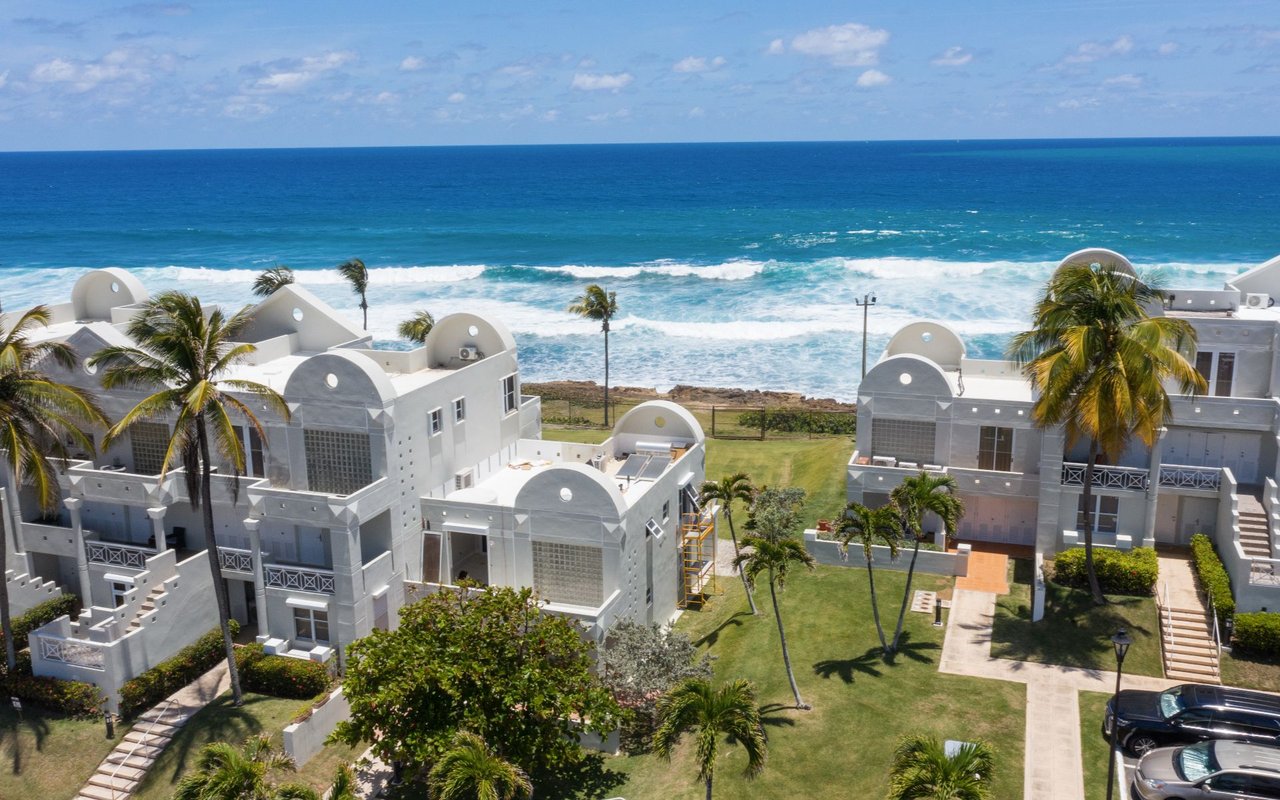
Puerto Real is a coastal community in Cabo Rojo on Puerto Rico’s southwest coast. Official tourism information highlights Cabo Rojo for its beaches, cliffs, food scene, and lighthouse views, while planning documents describe Puerto Real as a small fishing and boating village with a harbor, mangroves, seafood restaurants, working marinas, and fish markets.
That combination gives the area a practical kind of charm. You are not buying into a high-rise resort district. You are buying into a low-density coastal setting that can work well as a weekend escape, a boating base, or a relaxed beach retreat.
Marina Puerto Real also adds to the appeal. It is described as a full-service Blue Flag marina and is listed as an official U.S. port of entry, which matters if you are drawn to a lifestyle centered around the water.
Puerto Real Lifestyle and Access
One of the biggest reasons buyers look at Puerto Real is its access to some of Cabo Rojo’s best-known coastal destinations. Nearby beaches include Playuela, also known as Playa Sucia, near Los Morrillos Lighthouse, Playa Buyé, Combate, and Balneario Boquerón.
Each beach offers a different kind of experience. Official tourism material describes Playa Buyé and Combate as having roped swimming areas, while Balneario Boquerón offers public amenities like parking, showers, food, and lifeguards. That gives you several options depending on how you want to spend your time.
For many second-home buyers, that flexibility matters. You may want quiet mornings near the harbor, afternoons on the beach, and evenings enjoying seafood restaurants close to home. Puerto Real supports that kind of lifestyle without feeling overly built up.
What Property Types You May Find
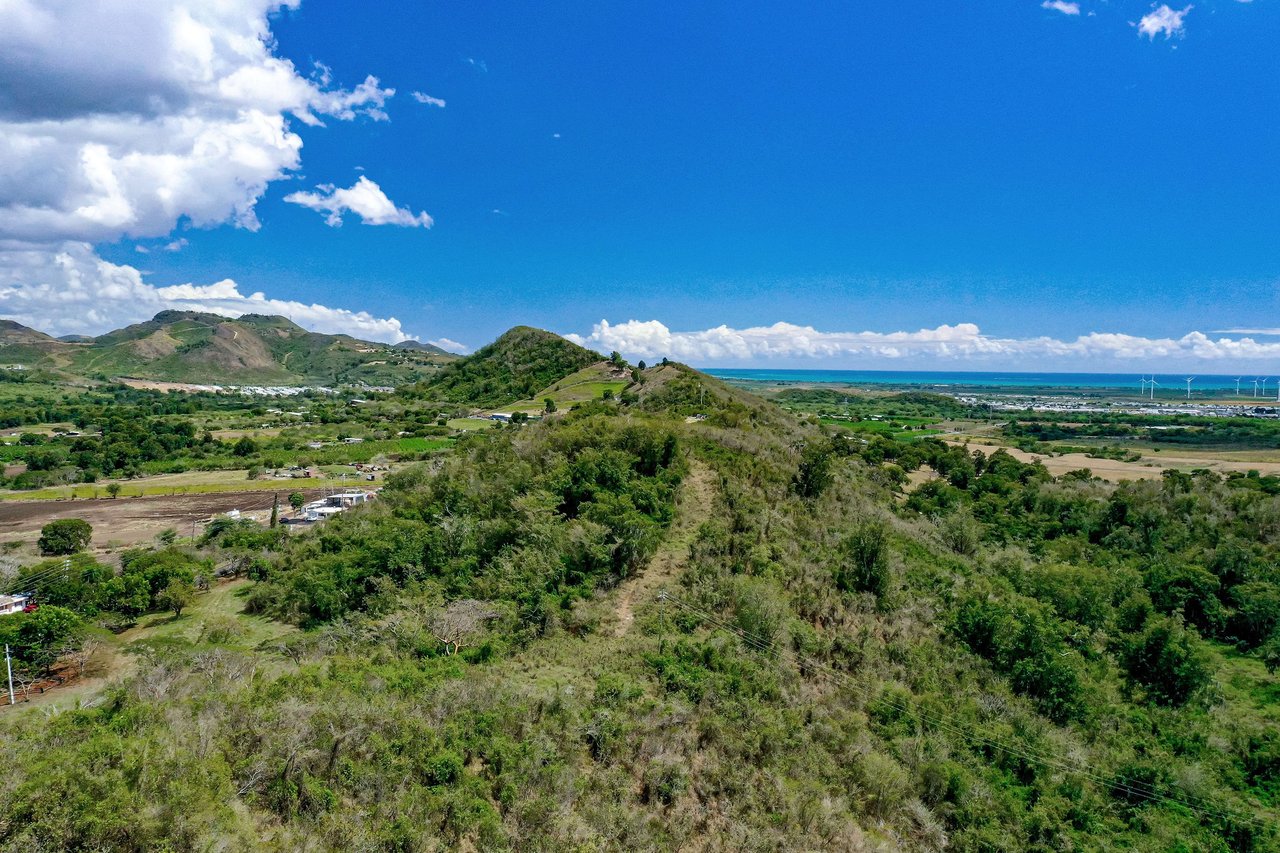
Because Puerto Real is a low-density coastal community, your search will likely look different from a search in San Juan or a major resort corridor. Planning documents point to small-town and suburban development around the bay and harbor, with some low-intensity agriculture in the surrounding area.
In practical terms, that means you are more likely to consider:
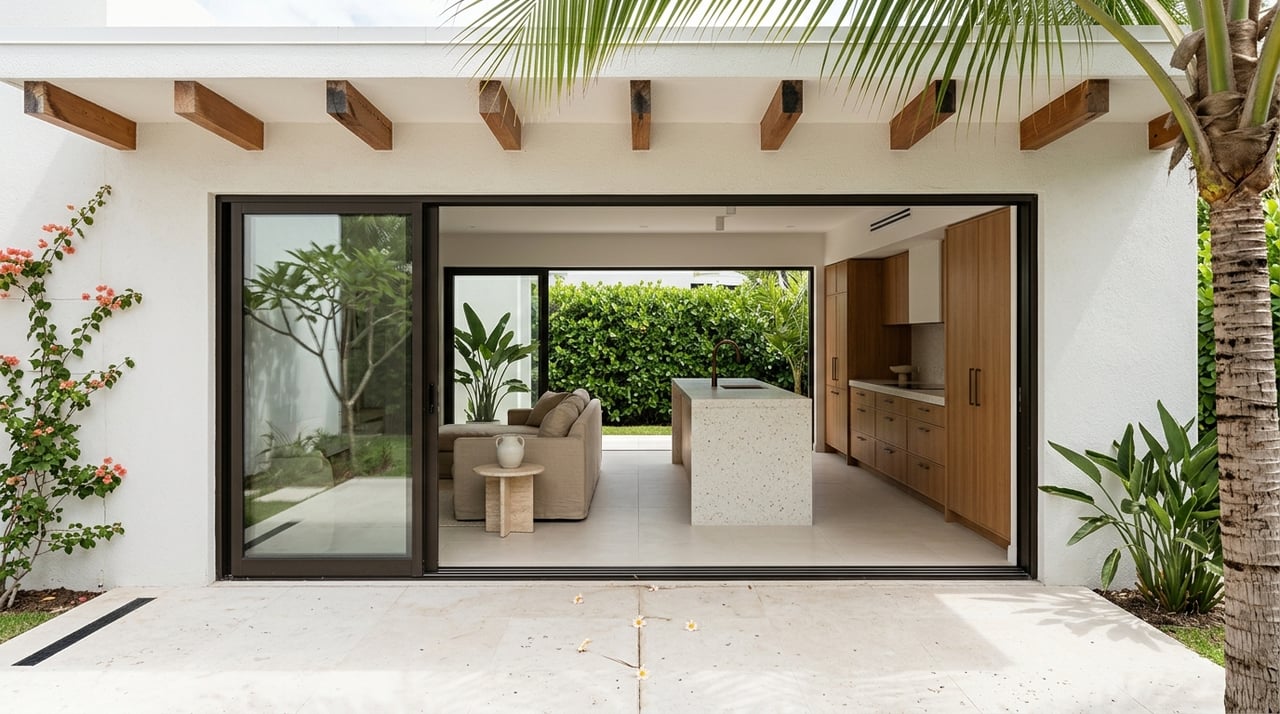
- Single-family homes
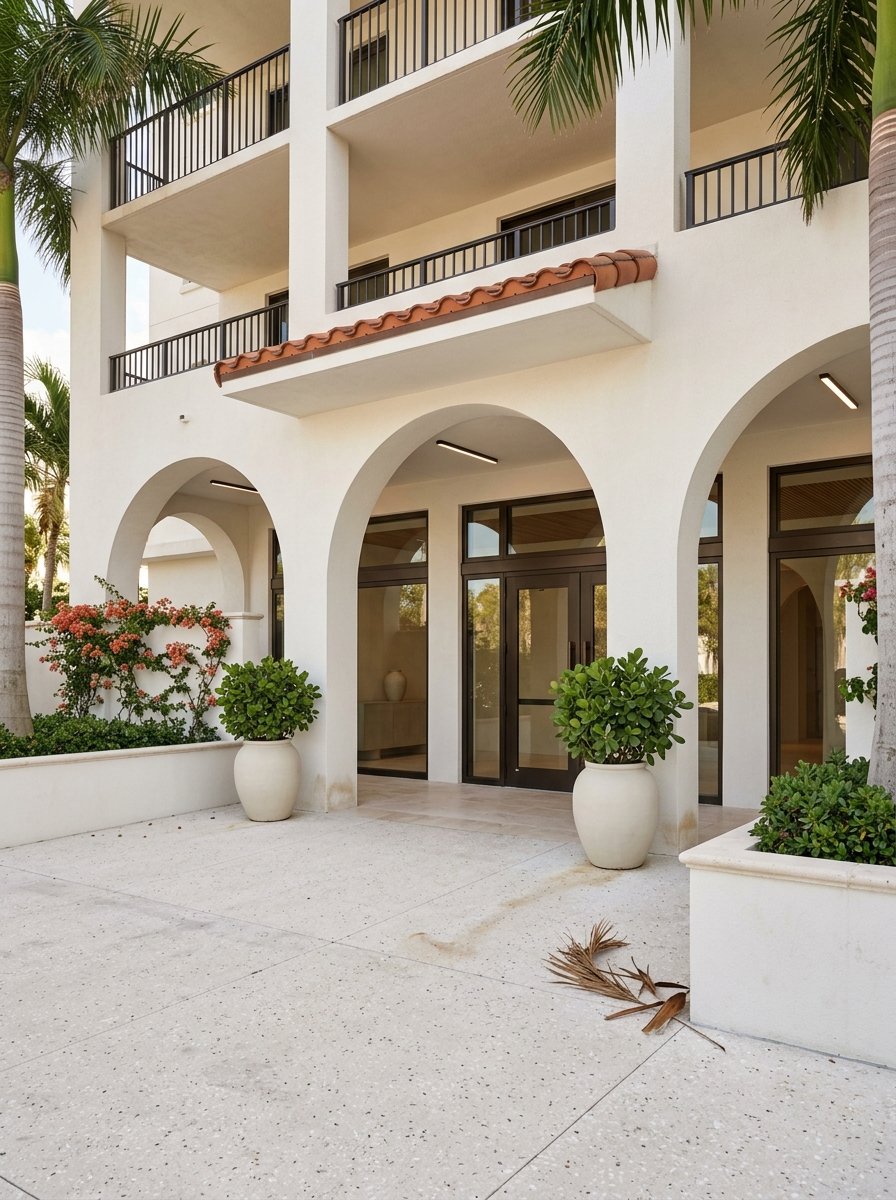
- Smaller condo buildings
- Near-water properties
- Modest waterfront homes
This does not guarantee a specific inventory mix, but it does help set expectations. If you are hoping for large resort towers with extensive vertical development, Puerto Real may not match that vision. If you want a more grounded coastal setting, it may be a much better fit.
What to Check Before You Make an Offer
A pretty view should never replace careful due diligence. For a second home in a coastal area like Puerto Real, the details behind the property matter just as much as the setting.
According to Puerto Rico real estate guidance cited in the research, buyers commonly review:
- Title
- Property taxes
- Zoning and land use
- Flood exposure
- Environmental conditions
- Survey information
- Soil studies
- Environmental assessments
- Structural reports
In Puerto Real, there are also local issues that deserve extra attention. Planning documents note historic water-quality concerns, sewer-connection challenges, and septic and stormwater issues in parts of the community.
That means you should verify key property systems early, including:
- Whether the home is connected to sewer or uses septic
- How drainage works on the site
- Any history of septic or stormwater maintenance
- Whether the intended use matches the property’s legal and physical setup
For buyers who want a lock-and-leave second home, these checks are especially important. A home can feel simple to own on paper but still require more oversight if utilities, drainage, or site conditions are not well understood.
Flood Risk Should Be Reviewed Early
In coastal Puerto Rico, flood review is not something to save for the end of the transaction. FEMA’s Flood Map Service Center is the official source for flood-hazard maps, and NOAA notes that coastal storms can bring flooding, storm surge, and severe damage.
If you are looking near the marina, the bay, or beach areas, it makes sense to check the address-level flood zone before you get too far into negotiations. That early review can shape your budget, insurance planning, and comfort level with the property.
This is one area where a data-driven approach really helps. When you understand the flood map, the lot, the structure, and the ownership costs together, you can make a better decision with fewer surprises.
Budgeting for the True Cost of Ownership
The purchase price is only part of the equation for a second home. In Puerto Real, your ongoing budget should include taxes, insurance, maintenance, and the realities of owning near the coast.
CRIM Property Taxes
Property tax is one of the biggest recurring costs to review. A CRIM fiscal plan lists Cabo Rojo’s post-discount real-property tax rate at 10.08% of assessed or net taxable value.
That number can sound alarming if you read it like a market-value tax rate, but that would be misleading. Puerto Rico real-property tax is based on assessed value tied to a much older valuation structure, not directly on current market value.
Because of that, you should not estimate your future tax bill by applying the tax rate to the purchase price. Instead, ask for the actual CRIM statement and review the real bill attached to the property.
Insurance and Coastal Maintenance
Coastal ownership usually comes with extra planning needs. NOAA states that the Atlantic hurricane season runs from June 1 to November 30, and hurricanes or coastal storms can cause flooding, storm surge, and severe damage.
For you as a second-home buyer, that may translate into costs such as:
- Hazard insurance
- Possible flood insurance
- Roof and wind-resistance maintenance
- Pest control
- Backup power planning
- Periodic inspections while you are away
If you will be off-island for long stretches, property management support may also become part of the real monthly or annual cost. That is often one of the biggest differences between owning a primary home and owning a second home.
Can You Rent Out a Second Home?
Many buyers ask whether a Puerto Real second home can double as an income-producing property. In many cases, yes, but short-term rental activity in Puerto Rico is regulated.
The Puerto Rico Tourism Company states that any property rented for fewer than 90 consecutive days must register as an innkeeper. Owners must also obtain an innkeeper ID, charge a 7% room-occupancy tax, and file monthly declarations by the 10th day of the following month.
The permitting side matters too. OGPe identifies the Permiso Único as the central permit path for business and land-use operations in Puerto Rico, and Hacienda requires a negative room-tax certification for licenses connected to short-term rentals.
So if you are buying with rental income in mind, do not treat compliance as an afterthought. You should confirm whether the property can support your intended use and what operating steps will be required.
When Demand May Be Strongest
If you plan to use the home part of the year and rent it during certain periods, seasonality matters. Puerto Rico visitor-profile data for fiscal year 2023-2024 shows that January through March had both the highest visitor count and the highest average visitor spending.
The same report says beaches and water activities are among the most common visitor activities overall, and Porta del Sol, the island’s beach-tourism region, was visited by 28% of all visitors. For Puerto Real, that points to especially strong appeal during the winter high season and holiday periods.
That said, you should also plan for slower periods and weather disruptions. A second-home rental strategy in Cabo Rojo is often part lifestyle and part income stream, not purely a volume business year-round.
Is Puerto Real a Good Fit for You?
Puerto Real may be a strong match if you want a second home that feels local, coastal, and flexible. It works especially well for buyers who value boating access, beach time, and a more laid-back setting over dense resort-style development.
It can also work for buyers who want part-time personal use with the option to rent the property when they are away. The key is to evaluate the property with clear eyes, especially around flood exposure, infrastructure, taxes, insurance, and rental compliance.
At Gigi Realty PR, we believe second-home decisions should balance lifestyle goals with careful analysis. If you want help comparing options, reviewing ownership costs, or understanding how a Puerto Real property may fit your personal or investment plans, Gigi Sheppard can help you move forward with clarity.
FAQs
What makes Puerto Real in Cabo Rojo appealing for a second home?
- Puerto Real offers a low-density coastal setting with access to marinas, seafood restaurants, beaches, and boating, making it attractive for weekend use, seasonal living, or a relaxed beach retreat.
What types of homes should you expect in Puerto Real, Cabo Rojo?
- Buyers in Puerto Real are more likely to evaluate single-family homes, smaller condo buildings, and modest waterfront or near-water properties rather than large high-rise resort towers.
What should you verify before buying a second home in Puerto Real?
- You should review title, taxes, zoning, land use, flood zone, environmental conditions, surveys, and structural issues, while also confirming sewer versus septic status, drainage, and maintenance history.
How are property taxes calculated for homes in Cabo Rojo?
- Cabo Rojo real-property tax is based on assessed or net taxable value under Puerto Rico’s assessment system, not simply on current market price, so you should review the actual CRIM statement for the property.
Can you rent out a second home in Puerto Real for short stays?
- Yes, in many cases, but rentals of fewer than 90 consecutive days must comply with Puerto Rico short-term rental rules, including registration, an innkeeper ID, room-tax collection, and monthly filings.
When is demand strongest for a second home rental in Cabo Rojo?
- Research points to January through March as the strongest period for visitor count and average spending, with winter and holiday periods likely offering the best demand for beach- and water-oriented stays.
What are common hidden costs of owning a second home in Puerto Real?
- Common extra costs include insurance, possible flood coverage, coastal maintenance, pest control, backup power planning, and property management support if you are away for long periods.