Choosing a condo building in Condado is about much more than finding a great view. If you are buying in Condado Beach, San Juan, you are likely balancing lifestyle, convenience, rental goals, and long-term building health all at once. The good news is that with the right questions, you can narrow your options quickly and avoid costly surprises. Let’s dive in.
Start With Your Real Goal
Before you compare buildings, get clear on how you plan to use the condo. In Condado, one building may work beautifully for full-time living, while another may make more sense for a second home or an investment property.
Condado sits in San Juan’s urban and tourism core, with beachfront access, shopping, dining, lagoon recreation, and convenient access to Luis Muñoz Marín International Airport in about 15 minutes. That mix is a big reason buyers are drawn to the area, but it also means your ideal building depends on your day-to-day priorities.
For Lifestyle Buyers
If you want a primary home or a second home, focus on how the building supports daily living. Beach access, parking, elevator reliability, common-area upkeep, and predictable monthly costs usually matter more over time than flashy finishes inside the unit.
A building that feels organized and well maintained can make ownership much easier. In a coastal area like Condado, that practical side of the building often matters just as much as the location itself.
For Investors
If you are buying with rental income in mind, start with the building rules before you look at projected returns. In Condado, the right investor building is often the one whose bylaws actually fit your intended leasing plan.
Short-term rental flexibility can vary from one condominium to another. That is why you should confirm both the condominium documents and municipal compliance requirements before assuming a unit can be rented the way you want.
For Relocators
If you are moving to San Juan full time or part time, focus on convenience and predictability. Condado’s appeal for relocators often comes from its urban setting, beachfront location, and airport access.
For this type of buyer, building management quality, parking access, and stable monthly expenses tend to be major decision points. A smooth living experience often starts with a well-run building.
Review The Building Documents Early
One of the smartest ways to choose the right Condado condo building is to review the documents early in the process. In Puerto Rico condominiums, the governing body is the Council of Owners, and many buildings also have a Board of Directors and a managing agent.
Those details matter because they shape how the building is run, how decisions are made, and how costs are managed. A condo purchase is not just about the unit. You are also buying into the structure and operations of the community.
Ask For These Key Documents
Request these items as part of your due diligence:
- Master deed
- Bylaws
- Annual budget
- Reserve balance information
- Insurance declarations
- Recent meeting minutes
Under Puerto Rico’s Condominium Act, the annual budget must include a reserve fund of at least 5 percent of the operating budget, and reserve funds must be kept in a separate account. Owners may also review common insurance documents, which can give you a better sense of the building’s preparation and transparency.
Look For Transparency
A healthy building is not just one with attractive amenities. It is also one where governance is clear and owners have access to important information.
The law requires at least one annual meeting to approve the budget and financial statements, and it also provides for special meetings and notice procedures. When a board communicates clearly and keeps organized records, that is often a positive sign for buyers.
Understand Monthly Fees And Reserve Health
Monthly maintenance fees are one of the biggest factors in condo ownership. In Puerto Rico condominiums, those fees may cover common expenses, insurance premiums, reserve funding, and other approved costs.
That means the cheapest fee is not always the best value. A building with slightly higher fees but stronger reserve planning may be in better shape than one with lower fees and deferred maintenance.
Questions To Ask About Fees
As you compare buildings, ask:
- What do the monthly fees cover?
- How often have the fees changed?
- How large is the reserve fund?
- Has the building used special assessments recently?
Past special assessments can be especially useful to review. The Condominium Act allows special assessments in certain situations, including repairs and above-normal common expenses, so a history of repeated assessments may tell you something important about building condition or financial planning.
Check Rental Rules Before You Commit
In Condado, rental rules can quickly separate one building from another. If rental flexibility matters to you, this should be one of your first filters, not an afterthought.
Under Puerto Rico’s Condominium Act, rentals of 90 consecutive days or less are considered short-term rentals. These rentals cannot be prohibited unless the master deed or bylaws set a minimum rental period, and bylaws may also require a minimum-night stay and impose a monthly fee capped at the maintenance fee.
Why Building Rules Matter So Much
Even if a unit looks like a great rental opportunity, the building documents may limit what you can do. Some buildings may allow shorter stays, while others may effectively block them through minimum lease terms.
There is also a San Juan municipal short-term rental registry and ordinance, so you need to verify both building-level rules and municipal compliance. In other words, rental strategy in Condado is never just about demand. It is also about whether the building and the city framework support your plan.
Rule Enforcement Is Part Of The Value
Strong enforcement can be a plus, especially in mixed-use or investor-friendly buildings. The law allows doubled fines when short-term rental occupants violate community rules.
That matters because a building can be rental-friendly and still protect quality of life for owners and residents. Good management and clear enforcement often help preserve the experience of living there.
Pay Close Attention To Parking
Parking can be a deciding factor in Condado. In a dense, high-demand area, you do not want to assume the parking setup is simple.
Under the Condominium Act, some parking spaces may be treated as common elements. If spaces are fewer than apartments, the law provides allocation procedures, which is why you should confirm early whether parking is deeded, assigned, limited, or shared.
Ask Specific Parking Questions
Do not stop at asking whether parking exists. Ask:
- Is the parking space deeded to the unit?
- Is parking considered a common element?
- How are spaces assigned?
- Are there enough spaces for residents and guests?
For many buyers, parking becomes a daily quality-of-life issue. In Condado, that can turn into a deal-breaker very quickly.
Evaluate Building Condition Beyond The Unit
A renovated kitchen can be appealing, but it should never distract you from the condition of the building itself. In Puerto Rico, the purchaser takes the common areas in their existing physical condition, so you should inspect those spaces carefully.
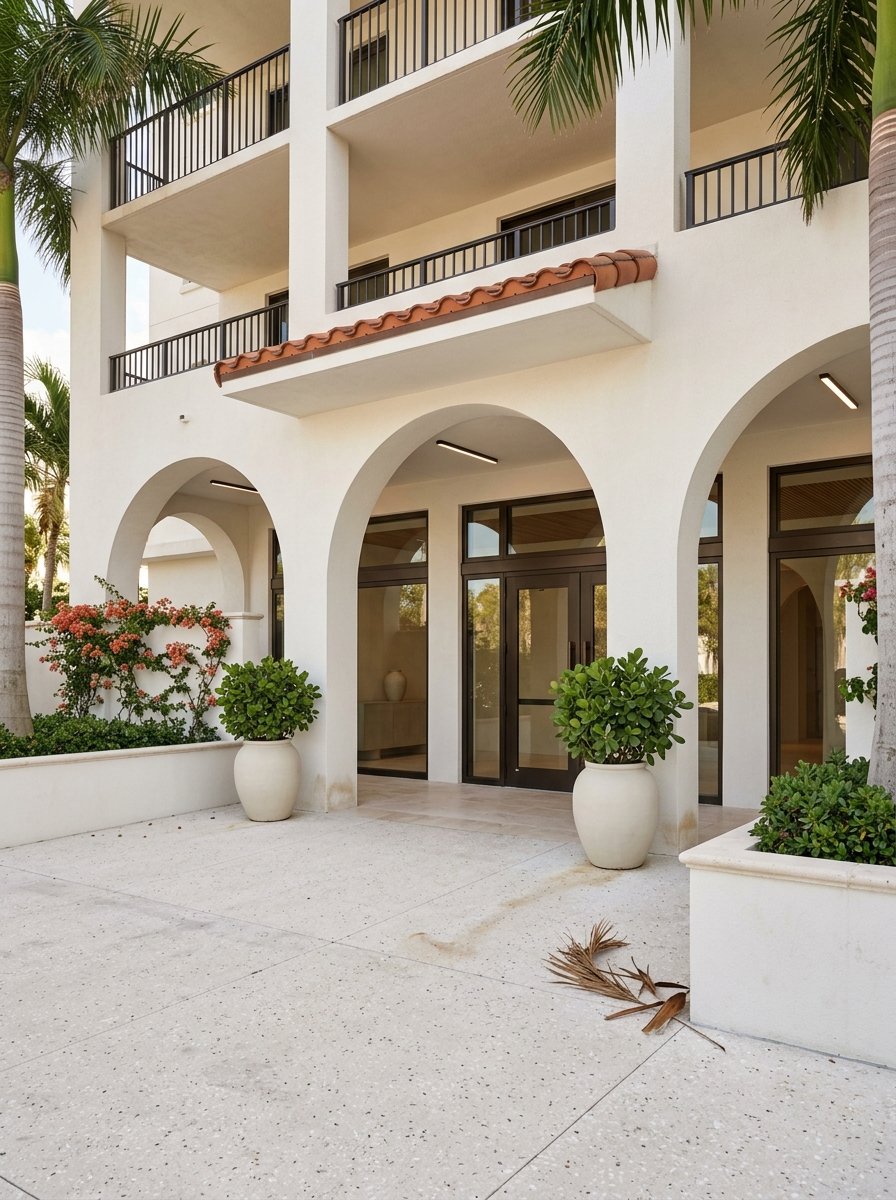
That means your tour should go beyond the apartment and include the lobby, façade, elevators, roof, drainage, parking areas, and overall site condition. In many cases, those common elements will tell you more about future costs than the unit interiors will.
Why Age Matters
Older buildings are not automatically a problem, but age often points to larger capital needs. That is why reserve strength and recent capital project history deserve close review.
Ask what major work has been completed recently and what repairs may still be deferred. In a coastal building, these questions are especially important because weather exposure can accelerate wear on common systems and exterior elements.
Consider Coastal Risk And Storm Readiness
Condado’s coastal setting is part of its appeal, but it also adds another layer of due diligence. Flood risk and storm readiness should be evaluated by exact address and building condition, not by general neighborhood reputation.
FEMA states that flood maps are the official way to check flood hazard status, and V and VE zones are high-risk coastal zones with wave hazards. Puerto Rico’s coastal study also notes erosion, coastal flooding, and wave-attack damage in urban coastal areas that include the San Juan corridor.
Questions To Ask On A Building Tour
When you visit a building, ask:
- What is the flood-zone status for this address?
- How does the building handle drainage during heavy rain?
- What common-area storm repairs have been completed?
- What storm-readiness procedures are in place?
These are practical questions, not alarmist ones. In Condado, coastal resilience is part of choosing wisely.
Know The Role Of Management
A building can have a great location and still be frustrating to own in if management is weak. If the condominium uses a professional managing agent, ask who it is and how reporting is handled.
The Condominium Act specifically addresses the role of the managing agent and includes compliance and insurance-related duties. That makes management quality a real part of the buying decision, especially if you want a low-stress ownership experience or plan to use the property as an investment.
Signs Of Strong Management
As you compare buildings, look for signs like:
- Organized records
- Clear communication
- Consistent maintenance
- Transparent financial reporting
- Timely response to common-area issues
These details may not be glamorous, but they often separate a good building from a risky one.
Use A Simple Condado Condo Checklist
If you want a practical way to compare buildings, keep your search centered on fit. The right building is the one whose rules, reserve health, management, and coastal readiness match your intended use.
A simple checklist can help you stay focused:
- Does the building fit your lifestyle, investment, or relocation goals?
- Are the master deed, bylaws, budget, insurance, and meeting minutes available?
- Do the monthly fees make sense for what is covered?
- Is the reserve fund healthy?
- Is there a history of special assessments?
- Are the rental rules compatible with your plans?
- Is municipal short-term rental compliance required?
- How is parking handled?
- What is the condition of the common areas?
- What flood and storm-readiness factors should you review?
- Is the building professionally and transparently managed?
In Condado, the best condo building is rarely the one with the most impressive first impression. It is usually the one that aligns with how you want to live, own, or invest, while also showing strong governance and practical upkeep.
If you want help comparing buildings in Condado Beach with a sharper eye on lifestyle fit, rental rules, and building-level due diligence, Gigi Sheppard can help you evaluate your options with clear, local insight.
FAQs
What should you review before buying a condo in Condado Beach?
- You should review the master deed, bylaws, annual budget, reserve balance, insurance declarations, meeting minutes, parking setup, rental rules, and recent special assessment history.
How do short-term rental rules work in a Condado condo building?
- In Puerto Rico condominiums, rentals of 90 consecutive days or less are considered short-term rentals, but each building may set minimum rental terms in its governing documents, and San Juan municipal compliance should also be verified.
Why do condo reserve funds matter in Condado Beach?
- Reserve funds matter because they help cover future common-area repairs and capital needs, which is especially important in coastal buildings where maintenance and weather exposure can affect long-term costs.
What parking questions should you ask in a Condado condo?
- You should ask whether parking is deeded or a common element, how spaces are assigned, and whether the parking arrangement is adequate for residents and guests.
How do you compare condo buildings in Condado Beach, San Juan?
- The best way to compare buildings is to match each one to your goals for living, renting, or relocating while reviewing fees, reserves, rental rules, management quality, parking, building condition, and coastal risk factors.