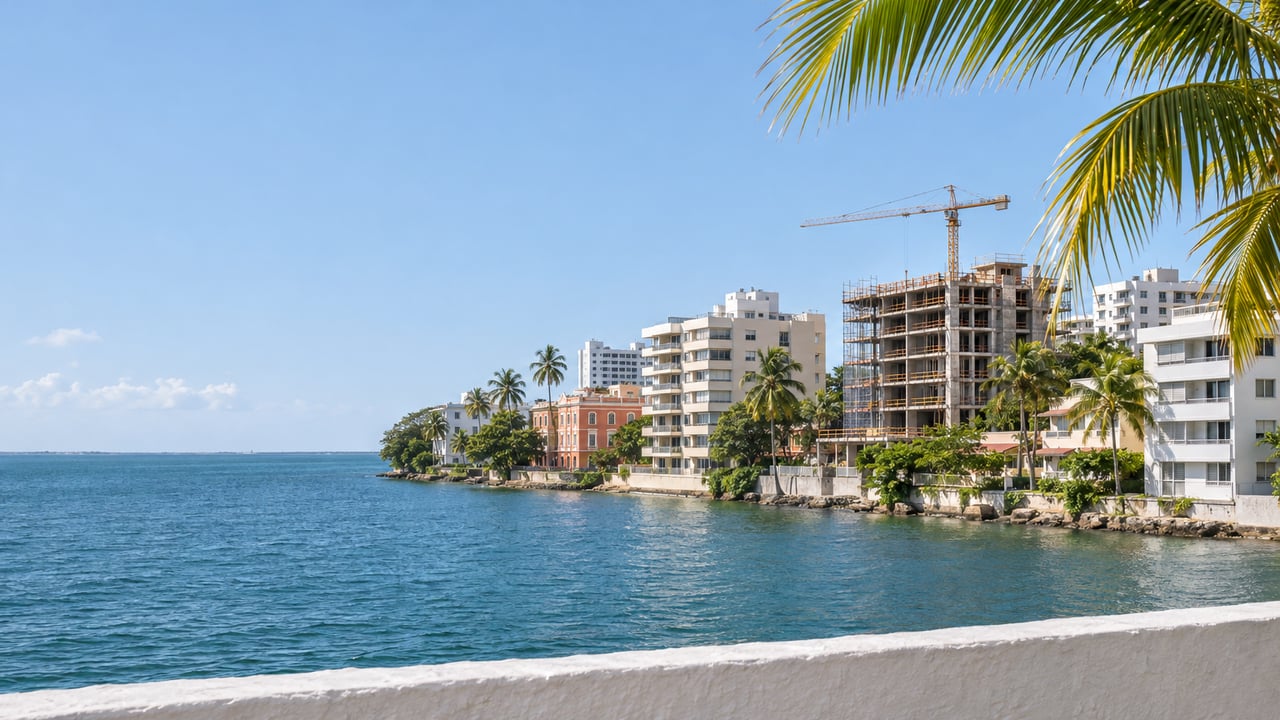
When does Ocean Park's beach get its best wind? Most guesses land on winter, when the kites seem to fill the sky over the east end. The wind data puts the peak in July.
Windchaser's Ocean Park spot guide counts how often the trade wind clears 12 knots for at least three daylight hours. July does it on more than nine days in ten. May, June and August come in above eight in ten. January through April falls to between seven and eight in ten. September and October drop to about one day in two. So the weakest stretch of the wind year is the one that just ended. The bigger change arriving now is in the water.
The wind calendar, month by month
Here is how the guide's figures line up across the year.
| Months | Days clearing 12 knots for 3+ daylight hours |
|---|---|
| July | More than 9 in 10 |
| May, June, August | Above 8 in 10 |
| January to April | Between 7 and 8 in 10 |
| September, October | About 1 in 2 |
On rideable hours the wind averages about 15 knots. It builds through the morning and holds into the evening. Coming off the fall lull, the trades become more reliable again in the new year, but they stay a notch below summer. If you think of winter as the windy season on this beach, you're crediting the wind with something the ocean does.
November is when the ocean changes
The National Weather Service office in San Juan treats November 1 through April 30 as its local swell season. In a holiday-season newsletter, the office described December through March as the driest and coolest part of the year. It is also when large northerly swells, generated by powerful North Atlantic winter storms, begin reaching the north coasts of Puerto Rico and the U.S. Virgin Islands. The same newsletter warned that these swells bring high surf, beach erosion and dangerous rip currents.
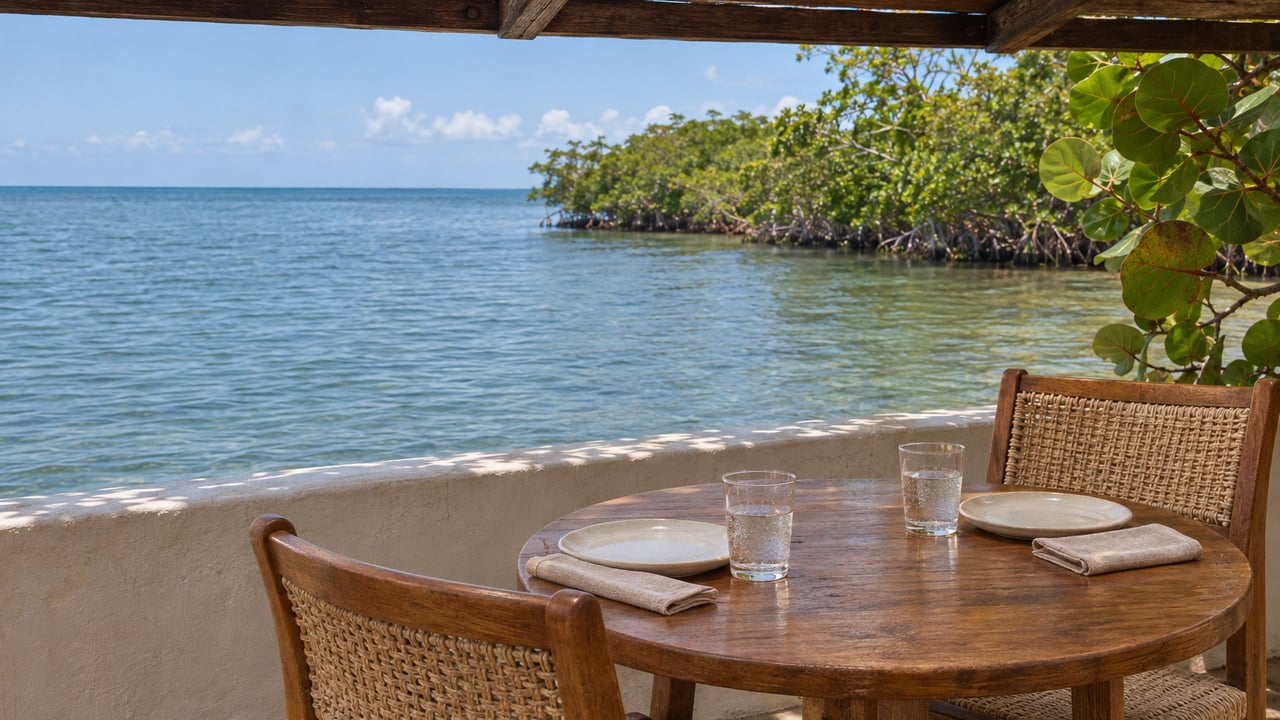
Ocean Park's layout explains how that reaches the sand. Wide reefs sit off the beach and hold the larger waves offshore. The water is deep right off the sand, and the waves break on the outer reef. In summer the inside water reads as flat to small chop. In winter it turns choppy. The Windchaser guide calls December 1 through May 1 Puerto Rico's surf season and describes it as generally a time for experienced windsurfers.
San Juan's beaches also have plenty of rock and coral, and the sandier patches are usually where foot traffic is heaviest. The guide's working assumption is that sea urchins live in all the rocks. When the water gets choppy, it's harder to see where you're stepping.
Where each group rides
Swell doesn't change who uses which stretch of the beach. It raises the stakes of picking the right one.
East end, near Numero Uno Beach House. Kiters gather toward the eastern end of the beach by Numero Uno Beach House at 1 Calle Santa Ana. Map pins for the spot often sit mid-beach, but the guide sends riders to the guest house instead.
Punta Las Marías, farther east. Windsurfers head for the point, where east is the favored wind direction. It is the home spot of the Federación de Windsurfing de Puerto Rico. On August 1, 2026, the point hosted Speed Racer III, a speed race with 18 athletes, according to the federation's Windsports site.
East and east-northeast winds are the favored kite directions along this stretch.
The federation's timing follows the same calendar as the wind table. Its 2026 learning season ran June 1 to August 15, with classes by appointment, mostly Friday through Sunday. Beginners learn when the wind is steadiest and the inside water is flattest. Winter at the point belongs to riders who already know how to handle chop.
The rule behind the buoys
Swimmers and riders share the same water, and a Puerto Rico statute sets the boundary. Law 430 of 2000, the Ley de Navegación y Seguridad Acuática, defines a "vehículo de navegación" as any non-motorized craft that moves on the water. The definition expressly includes paddleboards and "tablas para flotar con o sin vela," meaning boards with or without a sail. Article 7 bars these vehicles from operating, passing through or anchoring in areas reserved for bathers, and it directs that those areas be marked with buoys or other floating markers. The same article sets a $250 administrative fine for operating carelessly or negligently in a way that puts other people's lives, safety or property at risk.
The consolidated text published by Puerto Rico's Oficina de Gerencia y Presupuesto includes amendments through Law 170 of August 4, 2026, and is marked revised August 28, 2026. We're reporting what the statute says, as general information rather than legal advice. If you have a question about how it applies to you, check with the appropriate authority or an attorney.
When the wind drops
Choppy water is one half of the winter picture. The other is wind that can quit. On July 8, 2025, El Nuevo Día reported that six kitesurfers drifting off Ocean Park were rescued by the U.S. Coast Guard and the Puerto Rico Police's FURA unit. The Windchaser guide notes that the wind had dropped across the whole area and that the riders ended up one to two miles offshore. That happened in July, the most reliable wind month on the table. In January through April, when roughly one day in four or five misses the 12-knot mark, the forecast matters even more.
Learning on the sand this season
Both Ocean Park kite schools start beginners on the sand before they go in the water.
Kite Puerto Rico, an IKO school, has taught right on the beach since 2010 and offers kite, wing foil and e-foil lessons. Every lesson includes a helmet, harness and life vest. Its beginner course runs three days of three hours each, and a first lesson needs at least 9 to 10 knots. Lessons, rentals and equipment pickup go through N1 Surf Shop at 1903 Calle Loíza. Riders who pass a level check can rent North kites, wings and foils on their own. A wing foil lesson review dated September 26, 2026 lists N1 Surf Shop as the meeting point.
Wind Addiction, at 1 Calle Elena, teaches private kite lessons of two, three or six hours with equipment included, and takes bookings online. Its contact page lists daily hours of 9 a.m. to 5 p.m.
The 9-to-10-knot minimum is the number to keep in mind against the calendar. Wind usually clears that bar in winter. The swell is what makes a winter session different from a summer one.
A short check before you go in
The same few steps apply whether you're swimming, paddling or rigging a kite:
- Read the NWS San Juan Surf Zone Forecast. Its "San Juan and Vicinity" section covers beaches in Carolina, San Juan and Toa Baja and gives surf height, wind and rip current risk.
- Look at the wind for the whole session, not just the start. It usually builds through the morning, but a drop can leave a rider far offshore.
- Find the buoys. Boards stay out of the marked bathing areas under Law 430.
- Watch your footing near the rocks. Expect urchins and coral, and stick to the sandier, more-used entry points.
- For an emergency, call 911.
The swell season runs through April 30, and the trades are steadier in January than they were in October. By summer the inside water is back to flat or small chop, the conditions the windsurf federation chose for its 2026 learning season of June 1 to August 15.
If you own in Ocean Park or are thinking about buying near the beach, Gigi Realty PR can show you how the stretch between Calle Santa Ana and Punta Las Marías compares, block by block, using the same analysis we put into every valuation. Request your personalized market valuation.