Selling a home in Guaynabo can feel simple at first glance, but the details matter more than many owners expect. From pricing and prep to permits, CRIM documents, and the final notary signing, each step can shape how smoothly your sale moves and how confidently buyers respond. If you want a clearer path from listing to closing, this guide walks you through the process step by step. Let’s dive in.
Understand what buyers value in Guaynabo
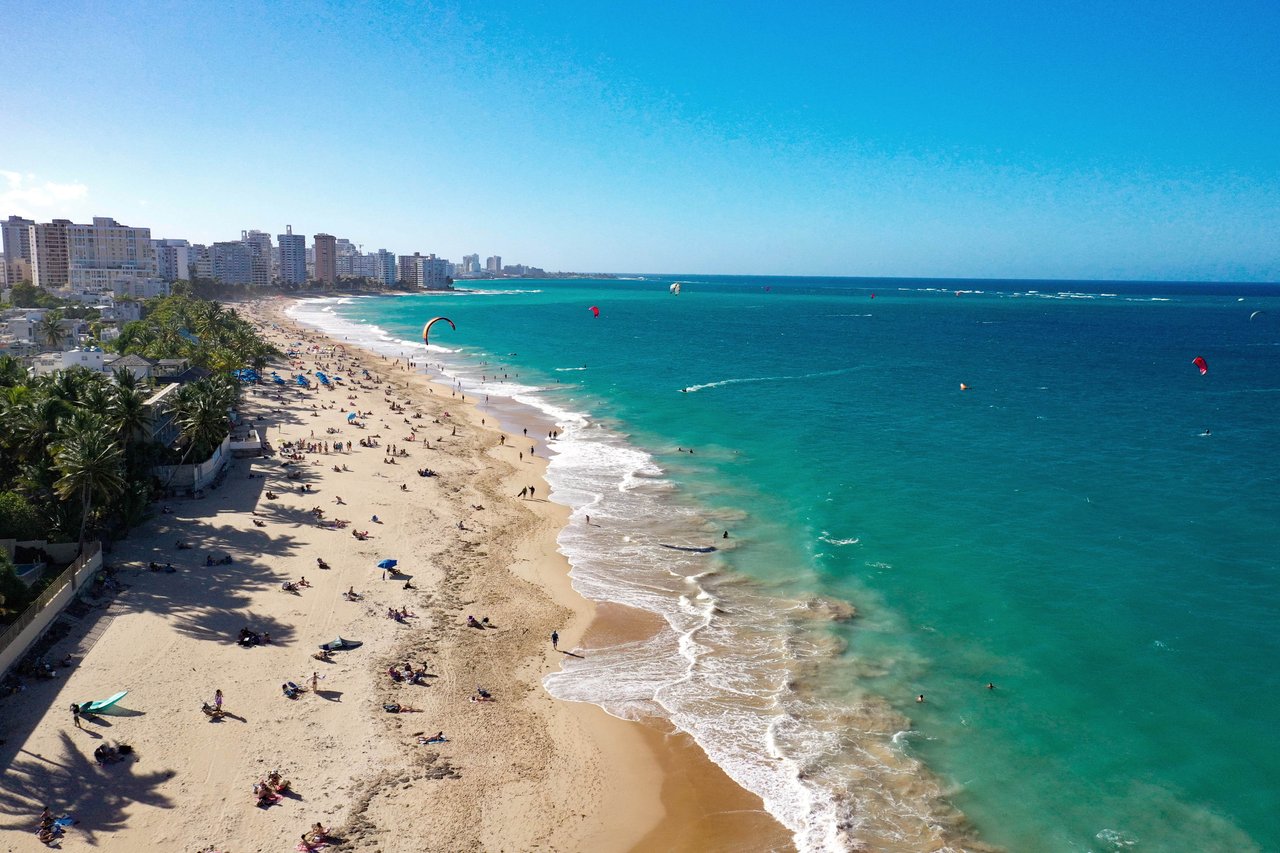
Guaynabo has a distinct position within the San Juan metro area. It offers direct access to major roads, proximity to San Juan, and convenient access to Luis Muñoz Marín International Airport. The Tren Urbano connection between San Juan, Guaynabo, and Bayamón also supports the area’s commuter appeal.
That location story matters when you sell. Buyers are often looking at more than the home itself. They may also weigh access to shopping, dining, services, and transportation when comparing your property with others on the market.
Guaynabo also has a housing profile that is heavily owner-occupied. Census QuickFacts reports a 72.4% owner-occupied housing unit rate, a median owner-occupied home value of $226,800, and a high share of residents staying in the same home year to year. That can support a market where buyers pay close attention to long-term livability, condition, and neighborhood form.
Current listings and historical research also show a strong presence of gated communities and amenity-driven housing. Features like controlled access, security, parking, balconies, terraces, pools, gyms, generators, and water cisterns come up often in Guaynabo listings. When you market your home, those details can play an important role in how buyers perceive value.
Step 1: Get your paperwork ready early
One of the smartest things you can do before listing is organize your documents. In Puerto Rico, a sale involves formal legal steps, and buyers often review title, property taxes, zoning, flooding, and permit-related details during due diligence. If your records are incomplete, delays can happen even when buyer interest is strong.
A lawful transfer of title in Puerto Rico is completed through a public deed executed in person before a notary public. Recording in the Property Registry is customary and recommended because it provides important protection. That means your sale is not just about finding a buyer. It is also about making sure the file is ready for closing.
Before your home goes live, gather as many of these items as possible:
- Title and Property Registry information
- CRIM debt and value certificates
- Mortgage payoff information
- Permit records for any improvements or additions
- Condo or HOA documents, if applicable
- Monthly maintenance information for gated communities or condominiums
For Guaynabo sellers, permit and land-use records deserve special attention. The municipality’s Planning and Territorial Management Office provides access to zoning maps, floodability maps, GIS tools, and certifications related to jurisdiction, flooding, zoning, and location. If your property has additions, renovations, or site-specific questions, checking these details early can help reduce surprises later.
If the home was inherited, start even sooner. Succession issues can require extra filings before title can be transferred, especially if there are multiple heirs or the property was never formally updated after inheritance. In these cases, waiting until you accept an offer can create avoidable delays.
Step 2: Review your property’s sale readiness
Once your documents are underway, take a close look at the property itself. Buyers in Puerto Rico commonly review structural condition, tax status, zoning, flooding, and environmental issues as part of due diligence. A home that is physically appealing but administratively unclear can still face friction.
Start by asking a few practical questions:
- Are all additions and improvements consistent with permit history?
- Is there any unresolved CRIM balance?
- Does the property have flood-related concerns a buyer may want clarified?
- If the home is in a condo or gated community, are all documents and fees up to date?
This step is also a good time to identify any repairs or maintenance items that could affect buyer confidence. You do not need to over-improve every property before selling, but you do want to remove obvious distractions. Clean documentation paired with a well-maintained home gives buyers fewer reasons to hesitate.
Step 3: Price with Guaynabo-specific comparables
Pricing is one of the most important decisions in the selling process. In Guaynabo, a strong comparative market analysis should go beyond bedroom count and square footage. Property type, gated-access structure, parking count, amenity package, lot size, finish level, and resilience features can all influence value.
That matters because Guaynabo inventory is not one-size-fits-all. Some single-family homes emphasize garages, patios, pools, outdoor kitchens, landscaped space, and entertaining areas. Condo listings may focus more on controlled access, full backup generators, water cisterns, gyms, playgrounds, and proximity to expressways, shopping, and restaurants.
A thoughtful pricing strategy should account for:
- Property type, such as condo versus single-family home
- Whether the home is in a gated or controlled-access community
- Number and usability of parking spaces
- Outdoor living space like patios, terraces, or balconies
- Building or community amenities
- Generator or cistern features, when present
- Finish level and overall condition
This is where a data-driven approach matters. A price should reflect how your home compares to nearby alternatives in both lifestyle and function, not just size on paper.
Step 4: Stage the features Guaynabo buyers notice
Once pricing is set, your next job is presentation. In Guaynabo, staging should help buyers quickly understand how the property lives day to day. The goal is not only to make the home look attractive, but also to make key features easy to see and remember.
Current listings suggest that several features repeatedly stand out in this market. Secure access, usable outdoor space, parking, storage, terraces, balconies, and resilience features like generators or cisterns often receive special attention. If your home offers any of these, make sure they are clean, accessible, and clearly showcased.
Focus your prep on areas like these:
- Entry and access points
- Outdoor entertaining areas
- Balconies and terraces
- Parking areas and storage
- Open-concept living spaces
- Any generator, cistern, or backup utility setup
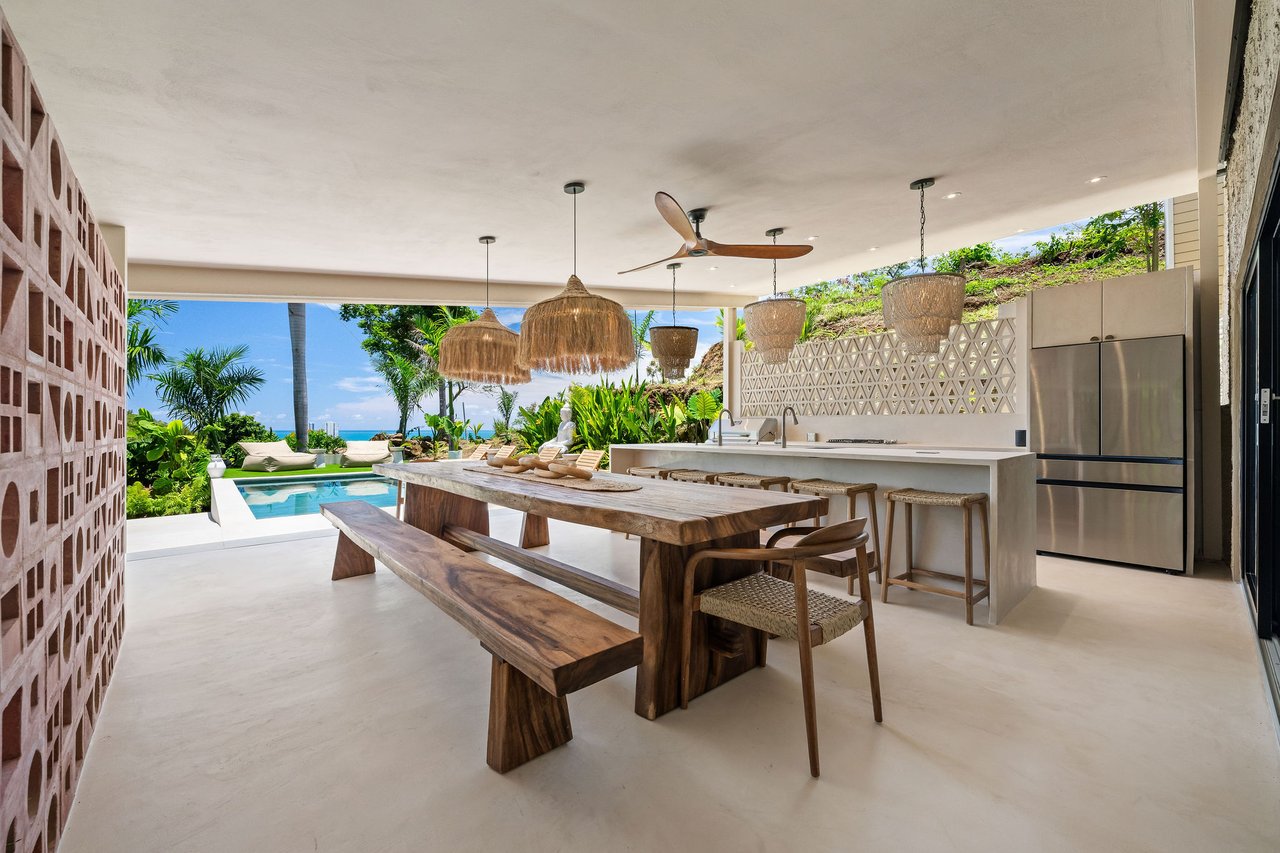
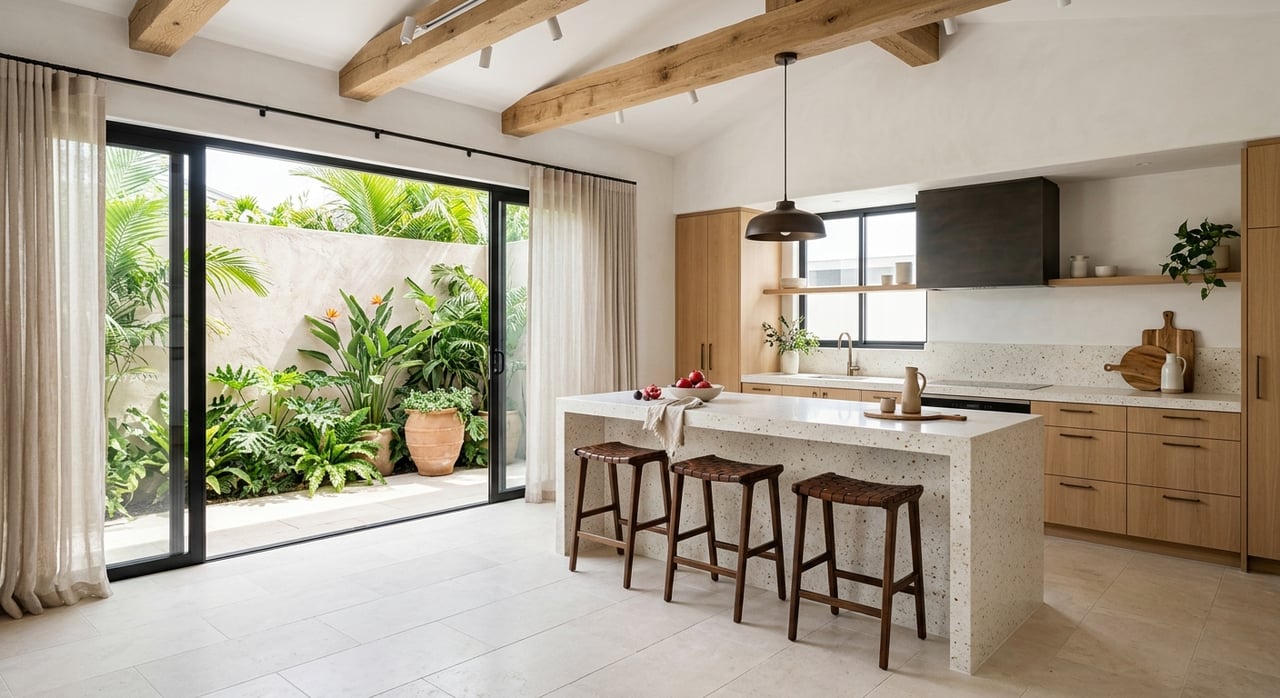
If your layout supports indoor-outdoor living, highlight that flow in your setup and photos. A bright, uncluttered space that shows how the home functions can help buyers picture daily life there more easily.
Step 5: Market in both Spanish and English
Guaynabo’s audience is broad, and your marketing should reflect that. Census data shows that 95.1% of residents age 5 and older speak a language other than English at home. That makes bilingual marketing a practical advantage when you want to reach more potential buyers clearly.
Your listing should not rely on photos alone. Public remarks, feature sheets, showing instructions, and offer communications should be clear and professional in both Spanish and English whenever possible. This can help local buyers, relocators, and cross-market purchasers understand the property faster and with fewer misunderstandings.
For many Guaynabo homes, the marketing story should include both the property and the surrounding lifestyle. Access to major roads, metro connectivity, shopping centers, dining, and local services can all help frame value. The key is to describe these points factually and clearly so buyers understand what makes the home competitive.
Step 6: Prepare for offers and due diligence
An offer is a major milestone, but it is not the finish line. In Puerto Rico, buyers often dig into title status, taxes, zoning, flooding, environmental conditions, and sometimes surveys or structural reports before closing. That means a strong sale depends on more than the accepted price.
When reviewing offers, you should consider:
- Price
- Proposed timeline
- Financing or proof of funds
- Requested contingencies
- Whether your documentation is likely to support a smooth due diligence period
If your records are organized, negotiations tend to be more straightforward. If title, permit, inheritance, or condo-document issues still need to be resolved, those topics may become part of the negotiation. In many cases, clean paperwork can protect value just as much as strong marketing.
Step 7: Know how closing works in Puerto Rico
Closing in Puerto Rico is usually a formal notarial process. The transfer is completed through a public deed signed in person before a notary public. Even though recordation is not technically required for validity, it is customary and recommended because of the protection it provides.
You should also expect transaction costs tied to the transfer process. According to the Puerto Rico real estate guide cited in the research, stamp taxes, recording fees, and notarial fees generally apply in a purchase-sale transfer. Unless the parties agree otherwise, the transferor typically pays the stamp taxes on the original deed, while the transferee usually pays the certified copy and recording fees.
Another important detail is the post-signing filing step. Hacienda states that notaries must register the deeds they authorized during the prior month. So even after signatures are complete, administrative follow-through still matters.
How long selling can take
Many sellers want a simple timeline, but the most accurate answer is that it depends on the file. The signing itself may happen in one appointment, but the overall transaction often takes several weeks or longer if title issues, CRIM balances, condo documents, inheritance questions, or permit problems need to be cleared first.
That is why early preparation matters so much in Guaynabo. If you start with organized records, realistic pricing, and polished presentation, you give yourself a better chance of moving from listing to closing with fewer interruptions.
Selling your home in Guaynabo is part market strategy and part process management. When you combine strong pricing, clean documentation, bilingual marketing, and a clear understanding of Puerto Rico’s closing steps, you put yourself in a much stronger position to attract serious buyers and protect your sale from avoidable delays.
If you are thinking about selling and want a more precise, property-specific strategy, Gigi Sheppard can help you evaluate your home, position it for the Guaynabo market, and guide you through each step with a data-driven, concierge-level approach.
FAQs
What documents do you need to sell a home in Guaynabo?
- You will generally want title and registry information, CRIM debt and value certificates, mortgage payoff information, permit records for improvements, and condo or HOA documents if the property is in a condominium or gated community.
How long does it take to sell a home in Guaynabo?
- The deed signing can happen in one appointment, but the overall process often takes several weeks or longer if title, tax, permit, condo, or inheritance issues need to be resolved.
What features help a Guaynabo home stand out to buyers?
- Features often highlighted in Guaynabo include controlled access, parking, terraces or balconies, usable outdoor space, pools, gyms, generators, water cisterns, and convenient access to major roads, shopping, and dining.
What is different about closing on a home sale in Puerto Rico?
- In Puerto Rico, the transfer is completed through a public deed signed in person before a notary public, and recording in the Property Registry is customary and recommended.
Why does zoning or permit history matter when selling a Guaynabo property?
- Buyers may review zoning, flooding, and permit-related issues during due diligence, and Guaynabo’s municipal planning office provides tools and certifications that can affect how smoothly a sale moves forward.
Should you market a Guaynabo home in Spanish and English?
- Yes. Because Guaynabo has a large bilingual population, clear marketing and communication in both Spanish and English can help reach more buyers and reduce confusion during the sale process.