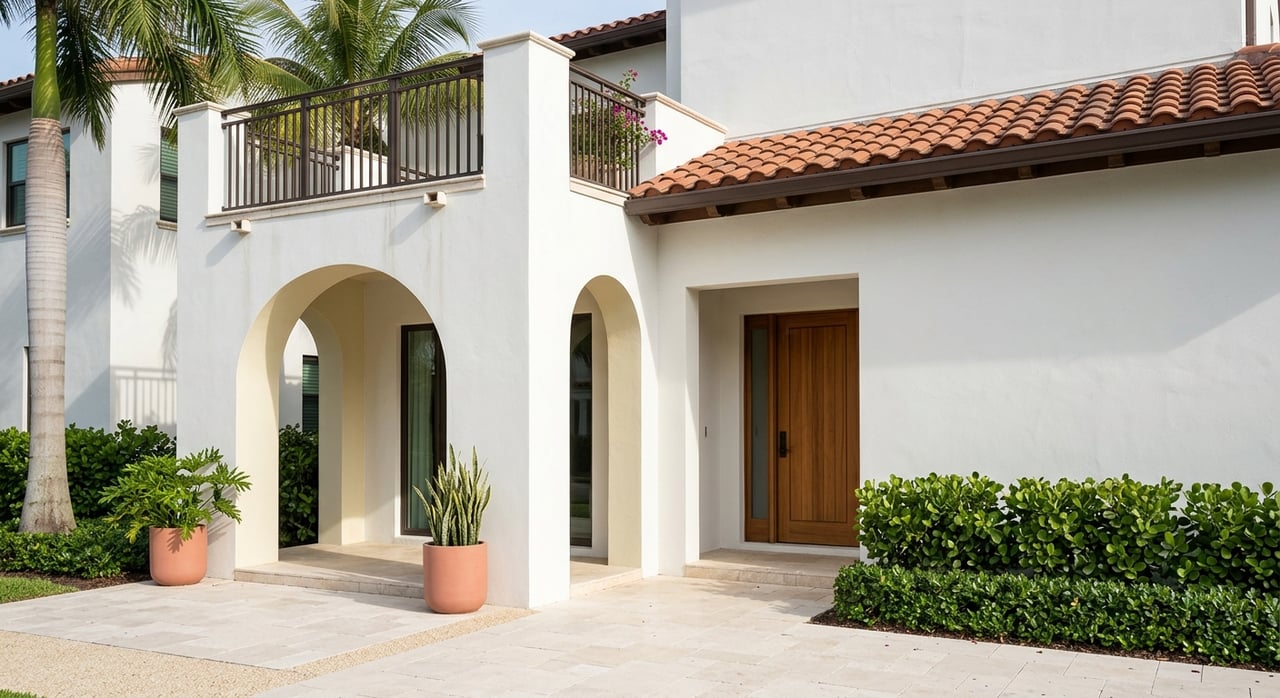
If you want a home in Palmas del Mar that works for both your lifestyle and your balance sheet, the key is not choosing between personal use and rental income. It is planning for both from the start. Whether you see the property as a second home, a seasonal retreat, or a guest-ready investment, you need a clear strategy for compliance, seasonality, and day-to-day use. This guide will help you think through the tradeoffs so you can make a smarter decision in Palmas del Mar. Let’s dive in.
Why Palmas del Mar Fits Mixed Use
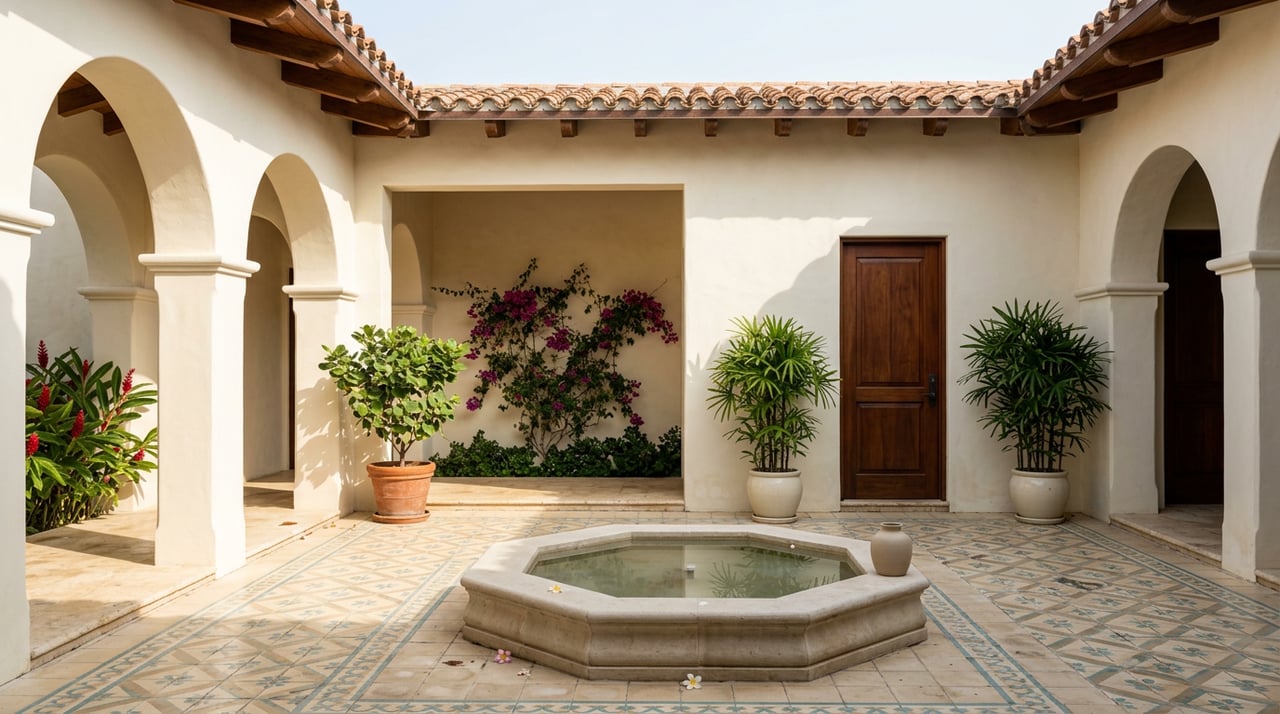
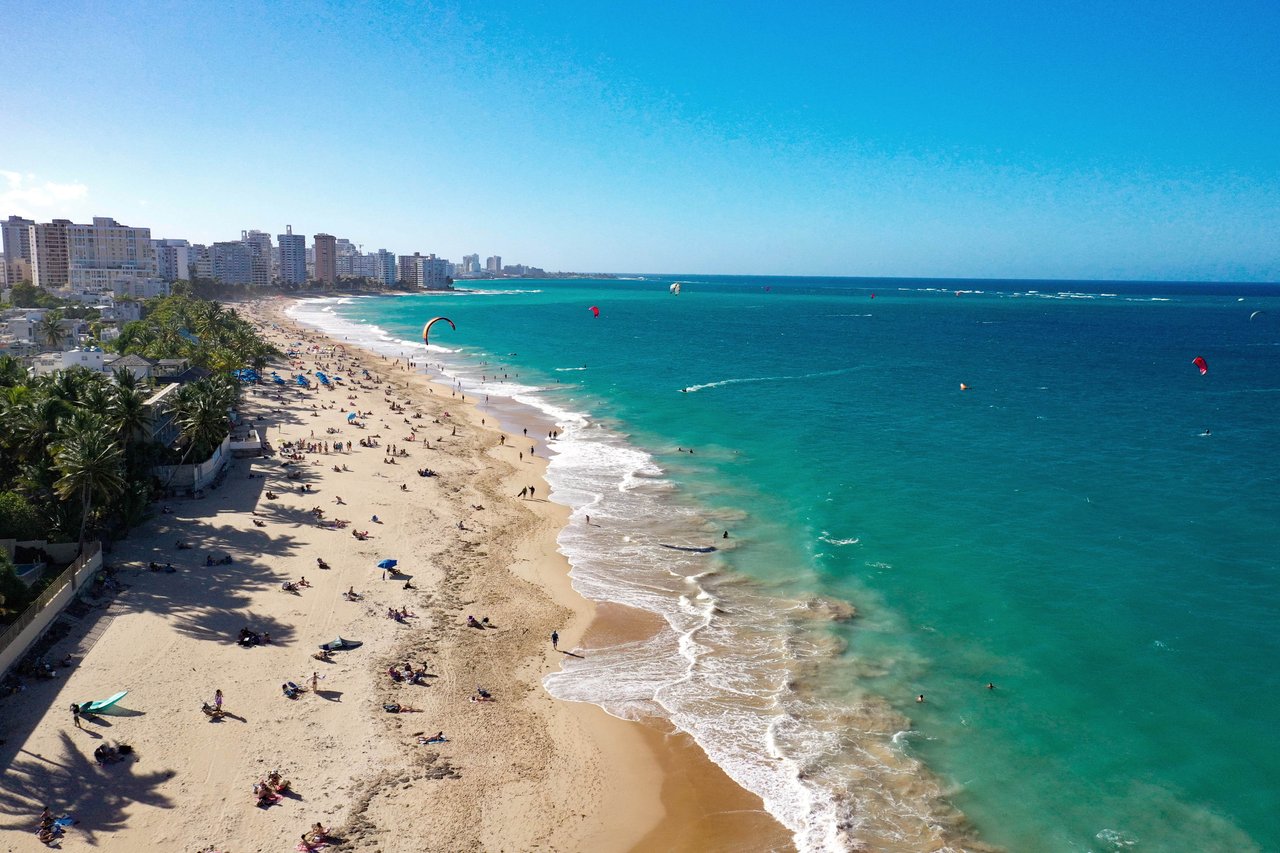
Palmas del Mar has the kind of setting that naturally supports both owner enjoyment and rental demand. It is a large gated beachfront resort community in Humacao set on 2,750 acres, with amenities and attractions that appeal to visitors as well as Puerto Rico residents.
According to Discover Puerto Rico, the resort includes two 18-hole golf courses, a 20-court tennis center, an equestrian center, a beach club, a marina, and more than a dozen restaurants. It is also about an hour from San Juan International Airport, which helps support its appeal as both a second-home market and a tourism rental destination.
That mixed audience matters if you are trying to balance personal use with income. Palmas del Mar is not just a place people visit for long vacations. It also attracts island-based weekend and holiday demand, which can make a flexible rental calendar more practical.
Understand the Rental Demand Pattern
Puerto Rico’s short-term rental market data points to real opportunity, but not a flat year-round income story. Discover Puerto Rico reported 5.7 million nights available to book in 2024 and more than 3 million booked rental listing nights.
The same market update said the East region accounted for 19% of total listing nights available. It also summarized an AirDNA outlook projecting 2025 short-term rental demand growth of 4.9% and RevPAR growth of 2.9%, with more listing nights booked for the next six months than the same time last year.
That said, seasonality still matters. Puerto Rico Tourism Company data for non-metro lodging showed average occupancy of 59.0% in 2024, with monthly occupancy as high as 71.9% in March and as low as 37.1% in September.
For you as an owner, that means your best plan may not be a simple annual average. It often makes more sense to block off personal time strategically and adjust pricing based on season, demand, and how guest-ready your property is.
Start With the Right Ownership Goal
Before you focus on rates or occupancy, define what success looks like for you. Some owners want a vacation home they rent occasionally. Others want a property that earns consistently while still leaving room for a few personal stays each year.
A simple way to frame it is to think in three planning models:
- Personal-use heavy: about 30% of the year rented, or roughly 110 nights
- Balanced: about 60% of the year rented, or roughly 219 nights
- Income-first: about 70% of the year rented, or roughly 256 nights
These are planning examples, not guarantees. Your actual results depend on your nightly rates, seasonal pricing, bedroom count, property condition, furnishing quality, and how often the unit is truly available to guests.
Factor In Puerto Rico Room Tax
If you plan to rent for short stays, compliance is part of the math. Puerto Rico Tourism Company states that short-term rentals under 90 consecutive days are subject to Puerto Rico’s room occupancy tax.
Owners must charge 7% of the room rate and, once registered, submit a monthly declaration by the 10th of the following month. The rule applies to studios, apartments, homes, villas, and other short-term rental properties.
This matters because your gross rental income is not the same as your net result. Room tax collection and reporting should be built into your operating plan from day one.
Know the Palmas del Mar Rules
Within Palmas del Mar, community rules add another layer. The Palmas Homeowners Association community standards apply to owners and renters, and they can supersede in cases involving commercial usage.
Effective January 1, 2025, any PHA member who rents or leases a residential property must register it with PHA. The fee is based on the number of bedrooms advertised as available for rent:
- 1 to 2 bedrooms: $500
- 3 to 4 bedrooms: $750
- 5 or more bedrooms: $1,000
PHA also lists a current annual maintenance fee of $1,300 per residential unit. Unpaid rental registration obligations can lead to fines, loss of privileges, and liens, so this is not a detail to handle later.
Choose a Unit Type That Matches Your Plan
Not every property type works equally well for mixed personal and rental use. In Palmas del Mar, bedroom count affects both guest appeal and operating cost, especially because the rental registration fee increases by bedroom category.
In practical terms, 1 to 2 bedroom units often offer the simplest balance for owners who want easier personal use and lower registration cost. 3 to 4 bedroom properties may fit family travel and group stays better, but they usually come with higher setup and maintenance costs.
5 or more bedroom homes can serve a more specialized segment, but they typically require stronger management, more furnishings, and a higher tolerance for ongoing carrying costs. Bigger is not automatically better if your goal is efficient use and predictable operations.
Furnish for Durability and Ease
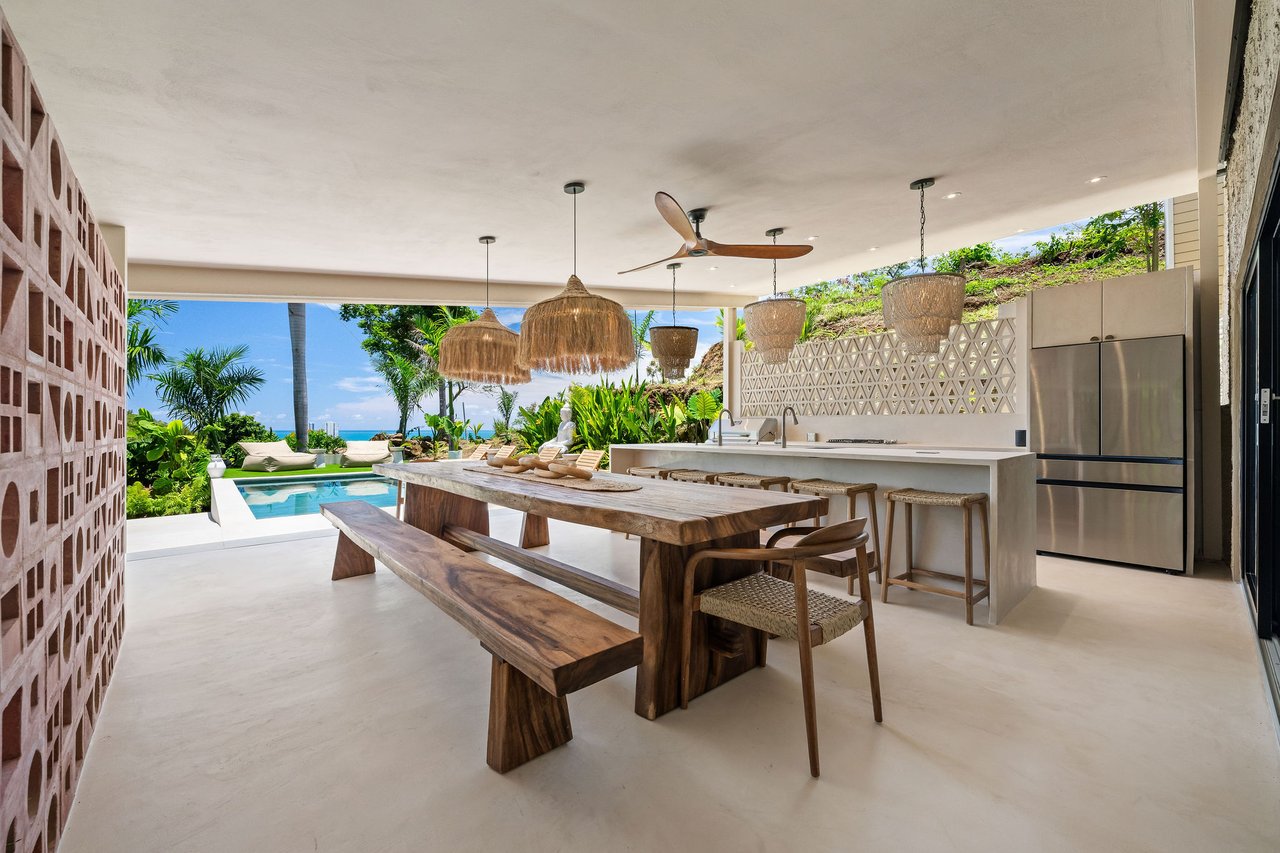
If you expect to rent the property on a short-term or seasonal basis, a turnkey furnished setup is usually the most practical approach. In a resort setting built around beach, golf, marina, tennis, dining, and leisure travel, guests generally expect a ready-to-stay-in home.
That does not mean overdesigning the space. It usually means choosing durable finishes, comfortable linens, strong Wi-Fi, simple storage for owner belongings, and a layout that supports easy cleaning and turnover.
The most effective rental-friendly homes are often the ones that feel polished without being overly personal. You want the property to work well for guests while still feeling easy for you to enjoy during your own stays.
Be Careful With Club Access Claims
One of the most common points of confusion in Palmas del Mar is club access. Ownership does not automatically mean your tenants can use all club facilities.
According to the current PAC membership plan, members may use golf, tennis, pickleball, fitness, beach club, and social facilities. However, tenants of a member’s residential unit may use PAC facilities only if PAC allows it and approves the tenant application.
That means you should treat club access as a separate issue from property ownership. If you plan to market a property for rent, any statement about club privileges should be based only on what has been confirmed in writing.
Price for Seasonality, Not Emotion
A common mistake is setting one flat nightly rate and hoping it works year-round. Market data suggests that a more flexible approach is usually smarter.
Discover Puerto Rico’s short-term rental market update noted price sensitivity and continued market segmentation by income. That supports a dynamic pricing strategy based on available nights, seasonality, bedroom count, view, furnishing quality, and whether any club access is truly available.
For example, peak season and shoulder season should not be treated the same. If you also want personal use, your calendar should reserve your preferred dates early, then open the remaining nights with pricing that reflects actual market conditions.
Focus on Net, Not Gross
When owners first run the numbers, gross rental income can look appealing. The better question is what remains after your real costs are accounted for.
Your net yield will likely be lower once you factor in PHA maintenance, the rental registration fee, room tax remittance, cleaning, management, insurance, and furniture replacement. Those costs do not make the strategy unworkable, but they do mean that realistic planning matters.
This is where a data-driven approach can save you time and frustration. If you compare unit types, expected usage, and likely carrying costs before you buy, you are much more likely to choose a property that fits both your lifestyle and your financial goals.
A Smarter Way to Balance Use and Income
The best Palmas del Mar ownership strategy is usually the one that matches how you will actually use the property. If you know you want long holiday stays and several personal visits each year, a lighter rental schedule may be the better fit. If your priority is stronger income performance, you will need a more disciplined calendar, guest-ready furnishing, and tighter operating systems.
Either way, success usually comes from clarity. You should know your target use pattern, understand the community requirements, price around seasonality, and make sure the property setup supports easy turnover.
At Gigi Realty PR, that is where thoughtful planning makes a real difference. If you want help evaluating Palmas del Mar properties through both a lifestyle and rental-yield lens, Gigi Sheppard can help you assess the numbers, the fit, and the practical next steps.
FAQs
How does mixed personal and rental use work in Palmas del Mar?
- You can use the property personally and rent it out during other parts of the year, but your plan should account for PHA registration, Puerto Rico room tax compliance, and any confirmed club access limits.
What fees should owners expect for Palmas del Mar rentals?
- Owners should plan for the PHA rental registration fee based on bedroom count, the current $1,300 annual residential maintenance fee, Puerto Rico’s 7% room occupancy tax for short-term rentals under 90 days, and other operating costs such as cleaning, insurance, management, and furnishings.
What property size works best for rental income in Palmas del Mar?
- The best size depends on your goals, but 1 to 2 bedroom units often provide a simpler balance of personal use and lower registration cost, while larger homes may support bigger groups but usually come with higher carrying and setup costs.
Is club access automatic for Palmas del Mar rental guests?
- No. PAC states that tenants may use club facilities only if PAC allows it and approves the tenant application, so any club access should be confirmed in writing before it is advertised.
Should a Palmas del Mar rental property be fully furnished?
- For short-term or seasonal rentals, a turnkey furnished setup is usually the most practical because guests in resort markets typically expect a ready-to-stay-in property.
How should owners price a Palmas del Mar property for rentals?
- Pricing should reflect seasonality, available nights, bedroom count, view, furnishing quality, and any confirmed club access rather than relying on one flat year-round rate.