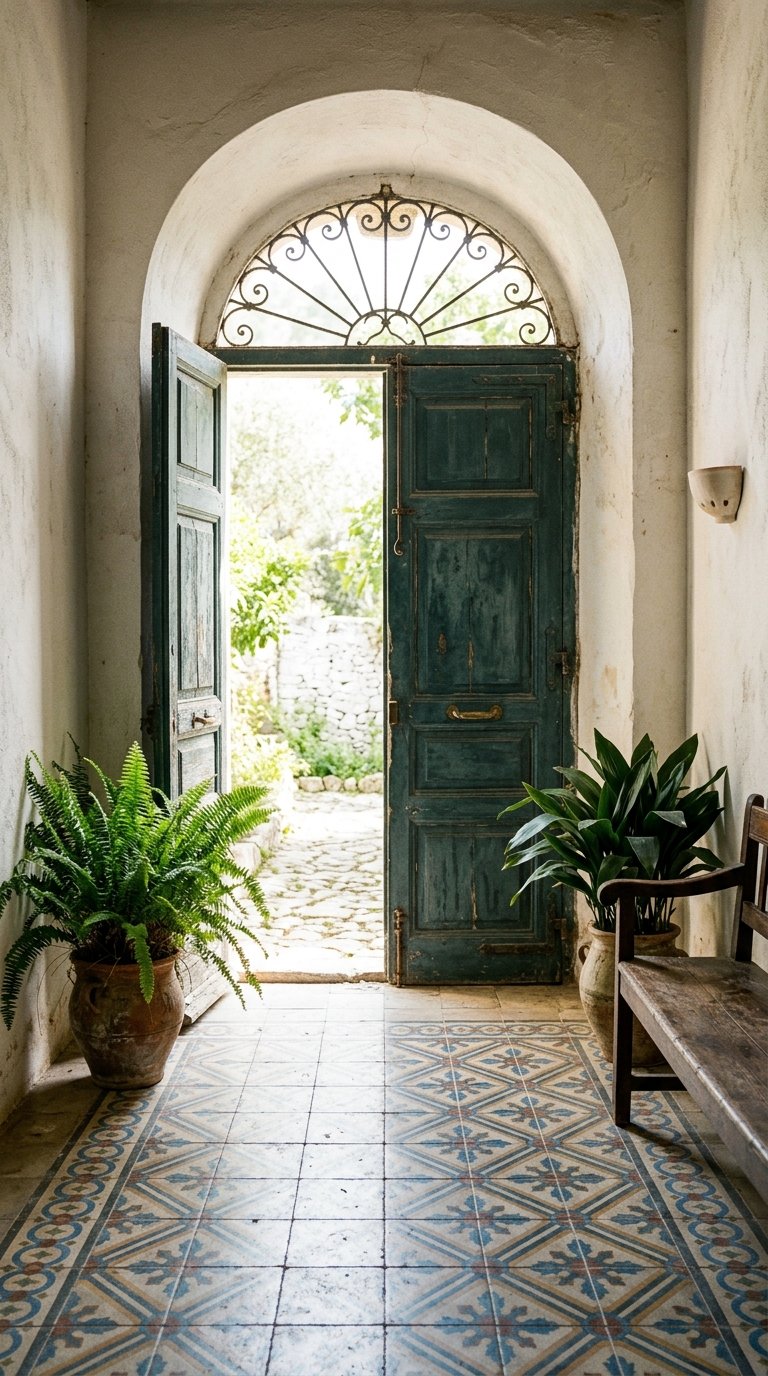
Thinking about buying in Old San Juan? A historic home here can offer unmatched character, but it also comes with responsibilities that are very different from buying a newer condo or house elsewhere in San Juan. If you are considering this kind of purchase, it helps to understand how preservation rules, construction methods, and maintenance needs can shape your ownership experience. Here is what you should know before you move forward.
Old San Juan ownership means stewardship
Old San Juan is not just an older part of the city. It is the officially designated Zona Antigua Histórica Casco de San Juan in Puerto Rico’s historic register, with a designation dating to 1951. UNESCO also recognizes that the area’s historic assets are protected through Puerto Rico regulations, including oversight connected to the Commission of the Historic Zone of San Juan.
For you as a buyer, that means ownership is about more than location and charm. In practical terms, you are buying into a protected historic fabric with layers of preservation review and long-term care expectations. That can be rewarding, but it also calls for more due diligence from the start.
What historic homes often look like
Old San Juan developed on a narrow colonial grid with densely built structures and closely spaced streets. Many buildings in the district predate 1898 and were constructed with traditional tapiería and mampostería, typically finished with stuccoed exteriors. That building history shapes how homes look, feel, and perform today.
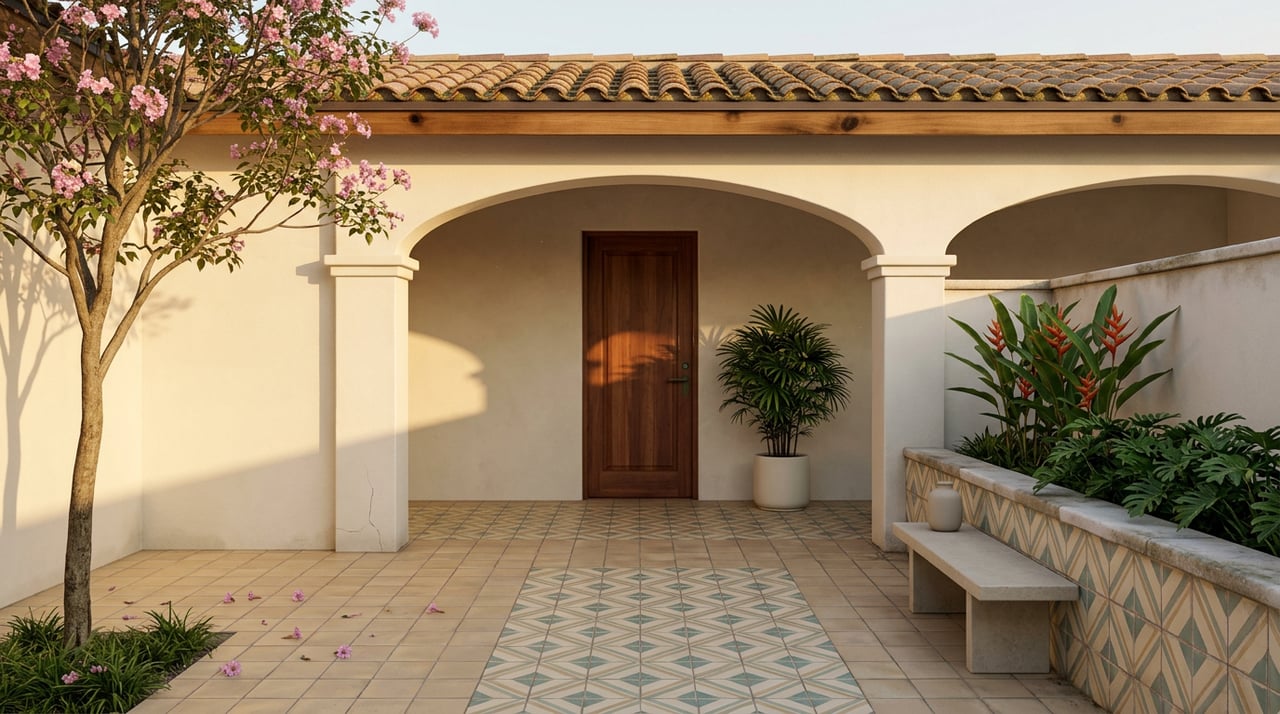
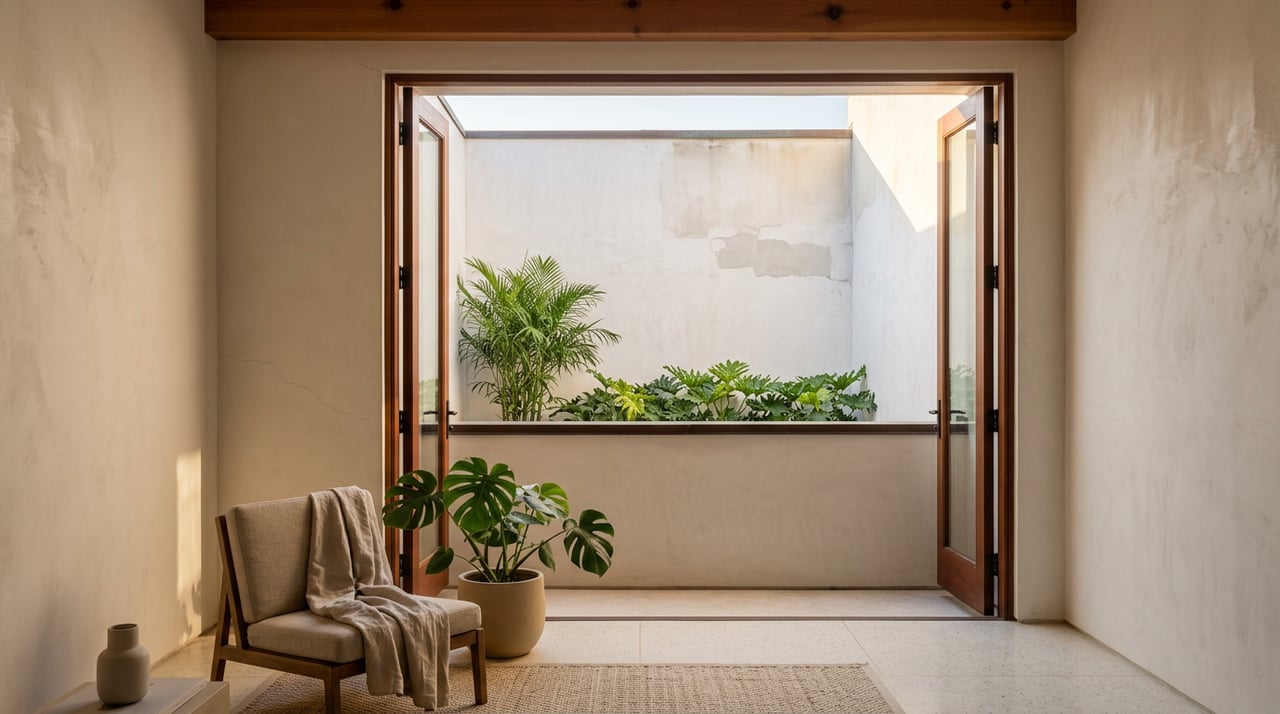
Unlike many newer properties, these homes were often built right up to the street without front setbacks or front patios. Interior courtyards played an important role in bringing in light and ventilation while creating a buffer between public and private space. In some homes, those courtyards also included cisterns that collected rainwater from the roof.
You may also see features such as raised balconies with wrought-iron railings, shutters, thick masonry walls, and room layouts that feel more individual than standardized. Many historic homes combine masonry and wood in ways that are uncommon in newer construction. Late 19th-century urban houses, for example, often had masonry first floors and wood upper levels.
How the layout may feel different
If you are used to modern condo living, a historic home in Old San Juan may feel very different. These properties often have narrower footprints, thicker walls, inward-facing rooms, and unique transitions between spaces. The appeal is real, but so is the adjustment.
That difference matters when you think about furniture placement, natural light, airflow, and renovation plans. A historic home may offer more architectural personality, but it may not follow the open-plan logic of newer properties. It is wise to evaluate how the home works for your daily routine, not just how it looks in photos.
Why inspections matter more here
A standard home inspection is helpful, but for a historic property in Old San Juan, it is usually not enough on its own. UNESCO identifies vulnerable materials in the area such as sandstone, brick, and plaster, and notes that sea-driven erosion and heavy traffic create ongoing conservation pressure. Those factors can affect both visible condition and hidden deterioration.
Historic masonry also behaves differently than newer wall systems. National Park Service documentation explains that lime-and-sand stucco was traditionally used to protect masonry from salt water while still allowing moisture to move through the wall. By contrast, Portland-cement repairs can trap water and accelerate deterioration.
That is why a more specialized inspection approach is important. In addition to a general inspection, you may want qualified historic preservation professionals to review materials and prior repairs, especially if the home shows signs of moisture intrusion, patching, or aging exterior finishes.
Inspection items to review closely
When evaluating a historic home in Old San Juan, pay special attention to:
- Roof condition and drainage paths
- Stucco or plaster cracking, detachment, or failure
- Masonry joints and signs of incompatible repairs
- Wood trim, shutters, doors, and balconies
- Evidence of trapped moisture or water intrusion
- Exterior areas exposed to salt air and weather
- Any visible patchwork that looks newer than surrounding materials
These issues do not automatically mean a property is a bad purchase. They simply mean the inspection process should match the age, materials, and preservation context of the home.
Exterior changes may need review
One of the biggest surprises for buyers is how much oversight can apply to visible changes. Puerto Rico’s Institute of Puerto Rican Culture states that it advises property owners and applicants in historic zones and issues recommendations to OGPe and autonomous municipalities for permits and actions involving demolition, new construction, major interventions, use permits, signs, awnings, and exterior paint application.
That means your future plans matter before you close. If you hope to repaint the façade, alter windows, update a balcony element, add an awning, or make other exterior-facing changes, you should find out early what review may be required. Historic homes can offer exceptional charm, but they also come with a more case-by-case approval process.
The same Institute notes that billboards and murals are not permitted in historic sites and zones. While that may not affect every buyer directly, it reinforces an important point: visible exterior treatment in Old San Juan is not handled the same way it would be in a newer neighborhood.
Questions to ask before you buy
Before you move ahead with an offer or closing, it helps to ask focused, property-specific questions. This can save time, reduce uncertainty, and help you plan for both immediate and future costs.
Due diligence questions for buyers
Ask your real estate team and closing professionals:
- Is the property inside the historic district or individually designated?
- What exterior elements appear to be character-defining?
- What prior exterior work has been completed?
- Was that prior work approved through the proper review process?
- Will your planned changes to windows, paint, balconies, awnings, or façade details require historic review?
- Are there visible signs of incompatible materials or deferred maintenance?
These questions are especially important if you are buying with a renovation budget in mind. In a historic district, the feasibility of your plans can depend as much on approvals and material compatibility as on your design preferences.
Tax and permit-related details to know
The Institute of Puerto Rican Culture notes that it issues compliance certifications tied to tax exemptions. It also states that in San Juan, a certification of historical value can reduce construction arbitrios. In addition, the Office of Historic Preservation and Conservation indicates that SHPO Online is the main channel for project submissions as of December 2023 and includes assistance for Historic Preservation Tax Credit applications.
For you, the key takeaway is that historic status may affect not only approvals, but also the documentation and certifications connected to project planning. If you are considering improvements after purchase, it is smart to understand these steps early rather than after closing.
Balancing charm with complexity
Buying a historic home in Old San Juan can be deeply rewarding. You may gain architectural details, thick masonry walls, courtyards, balconies, and a living connection to Puerto Rico’s urban history that newer construction simply cannot replicate. For many buyers, that emotional and aesthetic value is the whole point.
At the same time, the tradeoff is real. You are likely taking on more nuanced maintenance, more specialized inspections, and more planning before visible changes can be made. The right purchase is often the one where charm, condition, intended use, and long-term upkeep all align.
Why local guidance matters
In a market like Old San Juan, good advice should be both practical and property-specific. You want a clear view of building condition, likely maintenance needs, permit considerations, and how the home fits your lifestyle or investment goals. That is especially true when the property is unlike a standard condo or modern single-family home.
A careful, analytical approach can make the process much smoother. If you are exploring a historic home purchase in San Juan, working with a local brokerage that values due diligence can help you assess not just the beauty of the property, but the realities behind it as well. When you are ready to talk through your options, connect with Gigi Sheppard for thoughtful, concierge-level guidance tailored to your goals.
FAQs
What makes an Old San Juan home different from a newer property in San Juan?
- Homes in Old San Juan are often part of a protected historic district, and many feature older masonry construction, courtyards, balconies, shutters, and layouts that differ from modern condos or newer houses.
Why do historic homes in Old San Juan need specialized inspections?
- Historic materials such as masonry, plaster, wood elements, and older stucco systems can deteriorate differently than modern construction, especially in a coastal environment with salt air, moisture, and erosion pressure.
Do exterior renovations in Old San Juan require approval?
- Visible exterior changes may require historic review, including work involving demolition, major interventions, signs, awnings, and exterior paint applications, according to Puerto Rico’s Institute of Puerto Rican Culture.
What architectural features are common in Old San Juan historic homes?
- Common features include thick masonry walls, stuccoed exteriors, interior courtyards, shutters, wrought-iron balconies, and in some homes a combination of masonry lower levels and wood upper levels.
Can historic status affect project planning in Old San Juan?
- Yes. Historic status can affect permit review, required certifications, and certain tax-related considerations connected to improvements, so it is important to ask about these issues before closing.